
CCL Tear in Dogs: Causes, Symptoms, and Treatment Options
A CCL tear in dogs is a common yet severe injury that affects the stability and function of a dog’s hind leg. The cranial cruciate ligament (CCL), analogous to the anterior cruciate ligament (ACL) in humans, is vital for maintaining proper knee joint mechanics. For more information about the CCL tear in dogs prevention, click here.
Causes of CCL Tear in Dogs
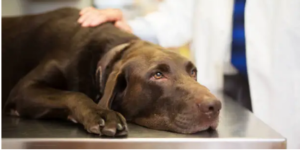 CCL tears in dogs can significantly occur due to various reasons, often a combination of factors rather than a single cause. Understanding these factors can help in both prevention and early detection.
- Genetic Predisposition: Certain dog breeds, such as Labradors, Rottweilers, and Boxers, are genetically predisposed to CCL tears. The ligament in these breeds tends to be weaker, making them more susceptible to injury.
- Obesity: Overweight dogs carry extra stress on their joints, which can seriously lead to a higher risk of CCL tears. Maintaining a healthy weight through a balanced diet and regular exercise is crucial.
- Age and Degeneration: As dogs age, their ligaments naturally weaken and become more prone to injuries. Degenerative changes in the ligament can also contribute to a CCL tear in dogs.
- Trauma: Sudden, traumatic events such as jumping off a high surface or abrupt changes in direction while running can cause a CCL tear. It is more common in active and athletic dogs.
Symptoms of CCL Tear in Dogs
Recognising the symptoms of a CCL tear in dogs is essential for timely intervention. The following signs may indicate a CCL injury:
- Limping or Lameness: A dog with a CCL tear will often exhibit limping or lameness, especially in one hind leg. This limping may be more pronounced after physical activity.
- Difficulty Standing Up: Dogs with a CCL tear may have trouble rising from a lying or sitting position, often due to pain and instability in the knee joint.
- Swelling and Stiffness: Swelling all around the knee joint is a common symptom, accompanied by stiffness and decreased range of motion.
- Decreased Activity Level: Dogs with a CCL tear may become less active and reluctant to engage in physical activities they previously enjoyed.
- Abnormal Sitting Posture: Some dogs with a CCL tear may sit with the affected leg extended out to the side rather than tucked underneath their body.
Diagnosis of CCL Tear in Dogs
A veterinarian will typically perform an intensive physical examination to diagnose a CCL tear in dogs. It may include manipulating the knee joint to assess stability and pain response. Imaging techniques, including X-rays or MRI scans, may also be used to confirm the diagnosis and evaluate the extent of the injury.
Treatment Options for CCL Tear in Dogs
Treatment for a CCL tear in dogs varies depending on the severity of the injury, the dog’s age, size, and overall health. Surgical and non-surgical options are available.
Surgical Treatment
- Tibial Plateau Leveling Osteotomy (TPLO): This surgery involves altering the angle of the tibial plateau to effectively stabilise the knee joint without relying on the damaged ligament. It is a standard and effective surgical option for CCL tears in dogs.
- Tibial Tuberosity Advancement (TTA): TTA surgery changes the dynamics of the knee joint to prevent instability. It is another widely used surgical method for treating CCL tears in dogs.
- Extracapsular Repair: This technique involves placing a suture outside the knee joint to mimic the function of the CCL and provide stability. It is often used for smaller dogs or less active pets.
Non-Surgical Treatment
- Weight Management: For overweight dogs, weight loss is crucial in reducing stress on the knee joint and managing symptoms.
- Physical Therapy: Rehabilitation exercises, including hydrotherapy, can significantly help strengthen the muscles around the knee joint and remarkably improve mobility.
- Medications: Anti-inflammatory medications and pain relievers can remarkably help manage pain and signifcantly reduce inflammation in the affected knee.
- Joint Supplements: Supplements containing glucosamine and chondroitin may fully support joint health and aid in the recovery process.
Conclusion:
A CCL tear in dogs is a significant injury that requires prompt attention and appropriate treatment. Understanding the causes, recognising the symptoms, and exploring the available treatment options can effectively help pet owners make informed decisions for their furry companions.


