Baling Twine in Australia: Uses, Benefits, and Sustainability
In Australia’s vast agricultural landscapes, where farming is a way of life, baling twine emerges as an unsung hero. Serving as the backbone of numerous farming operations, baling twine plays a crucial role in bundling hay, straw, and other crops for storage and transport.
 This article delves into the multifaceted world of baling twine in Australia, exploring its uses, benefits, and the growing emphasis on sustainability. For more baling twine options, click here.
Baling twine, an agricultural essential, binds the fabric of Australia’s farming landscape. From securing hay bales to supporting sustainable practices, its versatility and strength play a vital role in the nation’s agricultural productivity. As the industry evolves, so does the emphasis on eco-friendly alternatives, ensuring a greener tomorrow.
Understanding Baling Twine:
Baling twine, also known as baler twine or hay twine, is a solid and durable material made from synthetic or natural fibres. Typically, it comes in various thicknesses and strengths to accommodate different baling needs. In Australia, where agriculture thrives, baling twine is indispensable for securing bales of hay or straw, ensuring they remain compact and manageable during handling and transportation.
Uses of Baling Twine:
Hay Baling:
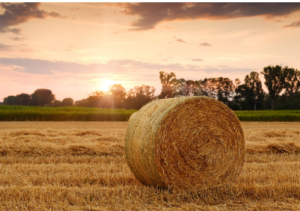
In Australia’s extensive pastoral regions, hay baling is a common practice, especially for livestock feed. Baling twine is used to tightly bind hay bales, preventing them from unravelling and maintaining their shape.
Straw Baling:
Similarly, baling twine in Australia is essential for bundling straw, which serves various purposes, such as bedding for livestock, mulching, and erosion control. The sturdy nature of baling twine ensures that straw bales remain intact until they are ready for use.
General Agricultural Applications:
Apart from hay and straw baling, baling twine finds applications in various agricultural tasks. Farmers use it for securing fencing, trellising crops, and even makeshift repairs around the farm.
Benefits of Baling Twine:
Strength and Durability:
Baling twine is engineered to withstand the rigours of agricultural operations. Its high tensile strength ensures that bales remain securely bound, even under pressure or adverse weather conditions. For more baling twine options, click here.
Cost-Effectiveness:
Compared to traditional alternatives such as wire or straps, baling twine offers a cost-effective solution for baling needs. Its affordability makes it accessible to farmers of all scales, contributing to overall operational efficiency.
Sustainability in Baling Twine:
With an increasing focus on sustainability in agriculture, the choice of baling twine is evolving. While traditional twines were often made from non-biodegradable materials such as polypropylene, there’s a growing shift towards eco-friendly alternatives.
Biodegradable Twines:
Biodegradable baling twines, crafted from materials like sisal or jute, offer a sustainable alternative to conventional twines. These natural fibres decompose over time, reducing environmental impact and addressing concerns about plastic pollution.
Recycled Twines:
Another sustainable option that is gaining traction is recycled baling twine. Produced from reclaimed materials, such as post-consumer plastics, these twines minimise waste by giving new life to existing resources.
Reduced Plastic Content:
Even in conventional twines, manufacturers are striving to reduce plastic content and improve recyclability. By incorporating bioplastics or utilising recycling programs, they aim to mitigate the environmental footprint of baling twine production. For more baling twine options, click here.
Conclusion:
In the agricultural landscape of Australia, baling twine stands as a quintessential tool, facilitating essential tasks like hay and straw baling. Its strength, affordability, and ease of use make it indispensable for farmers across the country.
Whether binding bales under the scorching sun of the Outback or amidst the lush fields of the countryside, baling twine remains an enduring symbol of resilience and ingenuity in Australian agriculture. The plethora of uses for baling twine makes it an indispensable tool in the world of agriculture. It is useful for tying plants, mending fences and holding down hay or straw bales during the harvesting process. It’s also a great tool to keep on hand in case of a storm or fire.