Benefits of NDIS Physiotherapy
NDIS physiotherapy is a treatment that can be beneficial for individuals who suffer from anxiety, insomnia, and other common disorders. It can also help improve mobility and function.
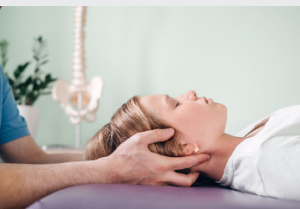 Exercises improve mobility and function.
If you have a disability, you may be eligible for NDIS physiotherapy Adelaide. Physiotherapy can improve your mobility and function. It can also help you manage pain, reduce anxiety, and improve sleep. In addition, by exercising, you will increase your strength, balance, and flexibility.
Your physiotherapist can design a tailored exercise program that can include education, advice, and coordination with other parties. Your schedule will be adjusted as you progress and your situation changes.
During a consultation with a physiotherapist, you’ll discuss your goals and how you plan to achieve them. The physiotherapist will assess your posture, mobility, muscle and joint flexibility, and overall health. These are critical elements in developing a plan for improving mobility.
Physiotherapists have the training and skills to provide a variety of treatments for a wide range of conditions. Depending on your needs, your physiotherapist can develop exercises to increase strength, improve your balance, and help you achieve your goals.
NDIS physiotherapy Adelaide is a vital component of rehabilitation after an injury or surgery. Physiotherapists can also teach you new exercises to help you maintain your mobility and strength. In addition, physiotherapists can assist you in participating in sports and recreation activities.
Physiotherapy can also be an effective treatment for depression. Exercise can help boost your mood and improve your self-esteem. It will enhance your confidence and help you to enjoy daily life.
Physiotherapy services are usually funded under the Improved Daily Living category of the NDIS Capacity Building budget. To determine if you qualify for NDIS physiotherapy, you can visit the NDIS website or contact them directly.
An NDIS physiotherapist can help you develop a program that will help you achieve your goals. They can also recommend exercises to manage symptoms, prevent falls, and maintain physical fitness. In addition, getting more involved in your community can be a great way to improve your health.
With the help of a physiotherapist, you’ll learn to move more independently, feel better, and improve your quality of life. As with any therapy, you are asking questions and working with your physiotherapist is essential to get the most out of your experience.
Treatment for anxiety disorders
Anxiety disorders can have a massive impact on your life. These disorders can interfere with your social, work, and educational activities. It is because you may feel frightened or stressed out in unfamiliar situations. In addition, you may experience physical symptoms, such as shortness of breath or a rapid heartbeat.
Luckily, anxiety can be treated with several techniques. It can be managed through relaxation, breathing, and exercise. You can also join support groups, and a support group will give you advice and help you learn more about anxiety.
There are different types of anxiety, from generalised to panic disorder. Depending on the severity of your condition, your therapist may recommend a specific type of treatment.
During physiotherapy, your therapist will teach you specific skills to help you control your anxiety. They include a variety of exercises that will help you regulate your body’s sensations. Exercise is a natural stress buster recommended for anyone with an anxiety disorder.
Exposure therapy is another effective method of treating anxiety disorder. Again, the goal is to challenge your fears gradually. Typically, you start with a relatively mild situation and then build up to a more threatening one.
Medications can also be used to help reduce your symptoms. For example, your doctor may prescribe antidepressants to treat anxiety. However, these are often only temporary measures. Physiotherapy can be a more effective and long-lasting way to treat anxiety.
Cognitive behavioural therapy is effective for a wide range of anxiety-related problems. Often, the symptoms will disappear within a few sessions.
Occupational therapy can also be used as part of a comprehensive treatment plan. These professionals can help you develop new skills and explore a variety of fun and rewarding activities.
Other options for managing anxiety include dietary adjustments, mindfulness, and exercise. Ideally, aim for at least 30 minutes of exercise daily.
Managing anxiety is a challenging task, and it requires time and commitment. But it is worth the effort. You can achieve your goals with the right help. Having an NDIS physiotherapy service can be a great resource to help you overcome your anxiety.
Access to assistive technology
There is good news for those interested in accessing assistive technology in NDIS physiotherapy. Depending on the type of assistance the participant needs, there are several options available
First, if the participant uses an electronic device like a tablet, computer or phone, it is unnecessary to fill out an NDIS form. Instead, they can make a payment request online and deposit the money into a nominated bank account within 24 to 48 hours.
Second, participants can now spend up to $1500 on low-cost assistive technology items. It includes fitness equipment, smart devices and more.
Third, some assistive technologies may require an assessment or trial. A health professional, such as a physiotherapist or rehabilitation engineer, can do this. The person performing the review will recommend the most appropriate assistive technology for your plan.
Finally, if the participant requests a more complex piece of assistive technology, they can get a quote and an assessment from an AT assessor. Those seeking quotes can find contact details at the National Disability Insurance Agency (NDIA).
If the assistive technology is expensive, NDIS will likely cover the cost. However, participants should avoid spending more than $750 on an electronic device.
Assistive technology is a growing industry in Australia. It helps people with disabilities live more independent and fulfilling lives.