Outdoor Umbrella: Combining Style, Functionality, and Durability
Outdoor living has become an integral part of New Zealand’s lifestyles. Whether it’s a residential backyard, a café terrace, or a commercial outdoor space, having the right shade solution is critical to comfort and usability. Among the many shading options, the outdoor umbrella stands out as a versatile, stylish, and practical choice for protection against New Zealand’s variable weather conditions. This article provides an in-depth exploration of outdoor umbrellas in New Zealand, focusing on their benefits, types, materials, and practical considerations to help you make an informed decision.
Why Choose an Outdoor Umbrella?
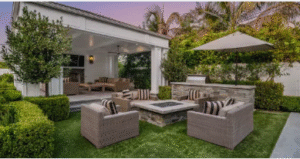 An outdoor umbrella is more than just a sunshade; it’s a multifunctional accessory that enhances outdoor experiences. New Zealand’s climate features intense UV rays, occasional rain showers, and gusty winds, making protection from the elements essential.
- UV Protection: Outdoor umbrellas provide vital shade that blocks harmful UV rays, helping prevent skin damage and creating a cooler environment.
- Versatility: Unlike fixed structures, outdoor umbrellas can be easily moved, adjusted, or stored away when not in use.
- Aesthetic Appeal: Available in various designs, colours, and sizes, outdoor umbrellas enhance the visual appeal of patios, decks, and commercial settings.
- Cost-Effective: Compared to permanent shading solutions, such as pergolas or awnings, outdoor umbrellas offer a more affordable and flexible alternative.
Types of Outdoor Umbrellas Popular in New Zealand
Choosing the right outdoor umbrella depends on your specific needs, space, and design preferences. Here are some of the most popular types used across New Zealand:
Cantilever Umbrellas
Cantilever or offset umbrellas are highly favoured for their flexibility. The pole is positioned to the side, allowing for unobstructed shade beneath the canopy. This type is ideal for larger spaces where a well-arranged furniture layout is essential.
Market Umbrellas
Traditional market umbrellas are straightforward, with a central pole and a round canopy. They suit dining tables and small seating areas and are commonly used in both residential and commercial environments.
Patio Umbrellas
Patio umbrellas are a general category that covers various designs meant for use on decks, balconies, and patios. Many incorporate features such as tilting mechanisms and adjustable heights to maximise shade coverage.
Beach Umbrellas
For New Zealand’s many coastal spots, beach umbrellas are lightweight and portable, designed for easy setup on sand. Although smaller, they still offer excellent UV protection for outdoor leisure activities.
Material Considerations: Frame and Fabric
The durability and performance of an outdoor umbrella largely depend on the materials used. Given New Zealand’s extreme weather conditions, selecting high-quality materials is crucial.
Frame Materials
- Aluminium: Lightweight, rust-resistant, and sturdy, aluminium frames are ideal for outdoor umbrellas in humid or coastal environments.
- Timber: Timber frames add a classic, elegant look but require more maintenance to prevent weather damage.
- Steel: Steel frames provide strong support but must be powder-coated or treated to prevent corrosion.
Fabric Materials
- Polyester: The most common fabric choice due to affordability and UV resistance. Look for polyester treated with UV inhibitors and water-repellent coatings.
- Acrylic: Premium acrylic fabrics offer superior durability, fade resistance, and water repellence. Brands like Sunbrella are popular choices in New Zealand.
- Olefin: Another strong synthetic fabric option, olefin offers good resistance to moisture, mildew, and UV damage.
Features to Look for in a Quality Outdoor Umbrella
To ensure the best value and functionality, consider these essential features when purchasing an outdoor umbrella:
UV Protection Rating
Verify that the umbrella fabric has a high Ultraviolet Protection Factor (UPF) rating. It confirms the effective blocking of harmful rays.
Water Resistance
Water-repellent fabrics enable the umbrella to withstand light rain showers without becoming soaked.
Wind Resistance
Opt for umbrellas with reinforced ribs and sturdy bases designed to withstand moderate New Zealand winds. Some models include vented canopies that reduce wind pressure.
Adjustable Angles and Heights
Tilt functions and adjustable heights improve shade coverage throughout the day as the sun’s position changes.
Base Stability
A heavy, stable base is crucial to prevent tipping. Weighted bases, or the ability to fill with water or sand, enhance stability.
Conclusion:
Selecting the right outdoor umbrella in New Zealand requires striking a balance between style, durability, and practicality. By understanding the types available, materials used, and key features to consider, you can find a high-quality outdoor umbrella that enhances your outdoor space for years to come.
You May Also Like

Bespoke Home Builder Adelaide’ Building Dreams with Precision in South Australia’s Most Liveable City
Custom Home Builder Adelaide’ Designing Homes for Climate, Lifestyle, and Local Regulations