What Does a Plumber Do?
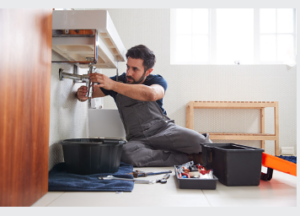
A plumber installs, repairs and maintains water systems in residential and commercial buildings. They also deal with sewage and drainage problems.
 You can enter this field through an apprenticeship or a trade school diploma. Alternatively, you can work as an entry-level employee under a master plumber.
Job description
DistinctPlumbing Plumbers install, maintain, and repair pipes that carry water, gas, and other fluids in homes and businesses. They also repair plumbing fixtures and appliances like dishwashers and heating systems.
The job of a plumber is varied and can include working in residential and commercial settings, which means you are likely to come across different types of pipes and other plumbing equipment. You will need to know the various materials required for a particular job, and you may also need to test your work to ensure it is air and watertight.
As a professional plumber, you will need to have good problem-solving skills. You will be required to be able to assess a situation quickly and figure out the best course of action for the customer.
You must also be flexible to keep up with your workload and respond to client call-outs. You will sometimes be required to work late at night or during weekends due to emergencies.
As a DistinctPlumbing Journeyman Plumber, you will be responsible for installing, maintaining and repairing plumbing and drainage systems in residential and commercial properties. You will assemble pipe sections, tubing and fittings using clamps, bolts, screws, couplings, cement, plastic solvent, caulking or soldering, brazing and welding equipment.
You will also need good hand-eye coordination to climb ladders and lift heavy tools. In addition, you will need to work in cramped and often hazardous conditions, and you will need to be familiar with the plumbing and heating systems you are putting together. You will also be required to operate pressure gauges and test the functioning of your plumbing installation.
Education and training requirements
Most plumbers start their careers with paid training that lasts four to five years through an apprenticeship program sponsored by a union or trade association. During this time, they earn wages and learn to read blueprints, work safely, understand piping systems, and apply math, physics and chemistry.
Most states require a minimum number of apprenticeship hours to become fully licensed. In addition to on-the-job training, many plumbers complete a two-year trade school program. Community colleges and vocational schools may offer these programs to give students the skills needed for entry-level employment.
These programs typically offer hands-on learning, and students receive training in plumbing tools, materials, construction methods, repair, maintenance, and repairing water pipes. In addition, they may study blueprint reading, building codes, and physics.
As a high school student, you can get a head start on your plumbing training by attending one of the state’s BOCES Career and Technical Education (CTE) programs. These programs are designed to prepare students for various occupations, including HVAC technicians and plumbers.
Once you complete your training, you must pass a plumber’s license exam. Most states and localities require the exam, which tests your plumbing knowledge and the local building code.
Most states have a plumbing license board that regulates and issues plumbing licenses. Some localities have their licensing board as well. The licensing process is complicated, but it is essential if you want to be a licensed plumber.
Work environment
Plumbers work to maintain, repair and install pipes that carry water and gas to and from homes and businesses. They also install plumbing fixtures such as sinks, toilets and washing machines.
Plumbers must be skilled and experienced to perform their job. In addition, they are required to follow safety protocols and work within local codes and regulations.
They must also be licensed in their area, which requires at least 2 to 5 years of experience and passing an exam. They may also belong to a trade union that negotiates wages on their behalf.
Plumbing is a physically demanding career, as they often work outdoors or inside cramped and high buildings. It requires good hand-eye coordination and physical strength.
Workers must be able to work with others and communicate effectively, as they will often be required to interact with customers and explain their repairs. They also need to be able to read blueprints and know how to plan and lay out pipes in residential or commercial properties.
The job can be challenging, but it can be rewarding. It is also a career that allows you to meet new people and build connections that can help you get jobs in the future.
It is vital to offer your employees comprehensive health and mental health benefits. Submitting this will give your employees peace of mind and a better chance of maintaining their mental health while working long hours.
A healthy workplace is essential to a happy and productive workforce. To attract and retain the best plumbers, ensure your company offers comprehensive health insurance and a wide range of mental health services.