Choosing the Right Silage Film For Your Operation
Silage film is a type of paper widely used for animal feed production and is also prevalent in agriculture. It is a popular type of feed and a very effective way to keep a farm or ranch in top shape. As a result, some farmers are now using silage film to make a living.
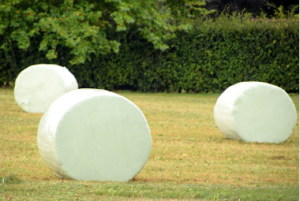 Shredding to remove oxygen
Silage film is a helpful device to prevent oxidation and fermentation processes from happening. In addition, it keeps the nutritional value of the contents, prevents oxygen from permeating it, and ensures it remains a tasty feed for your livestock.
However, it is not the only silo cover that can protect the contents of your silo from spoiling. Other methods include using an airtight lid to seal it, using a stretch film, or even a tarp.
The new black-on-white (125 microm) coextruded oxygen barrier film has recently been developed for silage sealing. This type of cover can block oxygen transmission by up to 20 times.
A new study compared the effectiveness of this type of film against a standard polyethylene film. Results showed that the ST film had slightly greater effectiveness in preventing dry matter losses. But the OB film reduced them by 3.7 times.
The most effective silage film is also the easiest to use. A hay bale or old tire can keep the plastic in place.
The OB film has been shown to increase corn silage stability in the peripheral regions of the silo. However, it has yet to be proven to reduce spoilage or preserve it for extended periods.
There are two main types of silos: bag and horizontal. Bag type has the advantage of being less susceptible to soil contamination. On the other hand, the horizontal type poses the danger of collapse. Hence, there is a need for proper management.
For example, keeping the silo at a low temperature is vital. Low temperatures can inhibit the metabolic activity of bacteria and mushrooms. The material will stay fresh for up to 60 days if this condition is achieved.
Opacity
Silage film opacity is a crucial factor in preserving the forage quality. It allows for the movement of oxygen and prevents the fermentation process. However, the film’s opacity is not a constant property and may be subject to degradation after a conservation period.
There are various types of silage films available in the market. Some of these are made from conventional plastic, while others are biodegradable. Depending on the farmer’s needs, the best type of film can be chosen to maintain the quality of the silage. Several tests have been performed on these products to evaluate their effect on corn silage evolution.
In investigating the effectiveness of these films for silage preservation, the chemical properties of the film were measured. First, the film’s opacity was determined by measuring the permeability of oxygen over 24 hours.
Oxygen barrier films have shown significant benefits in the feed-out phase of the ensiling system. They also delay the development of moulds. Moreover, they are effective in peripheral parts of bunker silos.
For the present experiment, 30 piles of 409 g DM/kg corn were ensiled. A total of six treatments were applied. Each treatment consisted of two independent samples taken at each location.
Barrier films
Oxygen barrier films are available in different thicknesses. Therefore, they help maintain the nutritional value of the forage. In addition, they are effortless to install and remove.
Polyethylene is a plastic that is permeable to oxygen. However, it helps retain the forage’s moisture and nutritional value when used correctly.
An oxygen barrier film is one of the most promising tools to constrain dry matter losses. Researchers have found that OB film can cut dry matter loss up to three times. In addition, OB film can be layered on top of the forage or buried in the silage.
Another promising tool is the use of an underlayer. Using an underlayer reduces the risk of air pockets and allows producers to produce a lower-cost oxygen barrier film.
Oxygen barrier films are a great way to preserve the nutritional value of the forage. In addition, they provide a barrier against creatures and deter them from feeding on the forage.
Silostop is a compelling silage film that reduces dry matter loss by up to 50%. Unlike conventional plastics, Silostop is very strong and thin. With a thickness of only 80 um, it is easy to handle.
Other films include cling film, underlays, and oxygen barrier film. The choice of film is important because it has a direct impact on the health of the livestock.
The silage quality has an essential effect on the farmer’s profitability. Therefore, choosing the best silage film depends on the requirements of the farm.
Whether you’re a livestock farmer, retail shopper, or businessman, choosing the suitable silage film is vital to keep your livestock healthy and thriving. With a silage film, you can be assured that your hay will be at its best for years. The best films offer a high level of oxygen permeation to inhibit the growth of bacteria and mould. Of course, you’ll need to get your stacks as dense as possible to ensure the best results. You’ll also need a good quality, preferably blown, film.
Using the best-suited film is a cinch, thanks to the many choices. While at it, you can pick from various types of silage films, including black and white.