Physio Campbelltown: Benefits to Stroke Survivors
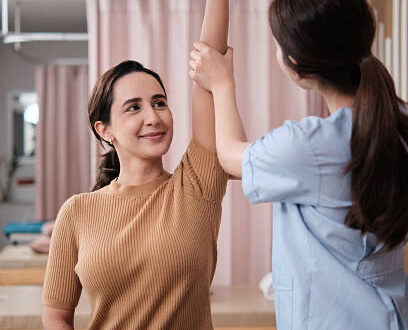
Physiotherapy after a stroke can help you get back to doing the things you love. It focuses on helping you improve your movement, strength and balance. It also treats problems like spasticity, where muscles become tight and difficult to stretch.
Physiotherapy should start within 24 hours of a stroke. You can receive treatment in a hospital or at home as part of a community rehabilitation team. For more information about the stroke survivor physio in Campbelltown, click here.
Strengthening
 After a stroke, some people may have weakness or paralysis of one side of the body, which can impact their ability to sit, stand and move their arms. Physiotherapy can help improve posture, balance and coordination, as well as strengthen muscles to prevent falls and improve overall health and fitness.
Physiotherapy can also help reduce spasticity, which is a tightening of muscles that causes them to clamp down and become stiff. Stretching exercises and positioning advice can help reduce this, while some patients will need a botulinum toxin injection to relax the muscles.
Carers need to encourage a person who has suffered a stroke to take on family responsibilities right from the start and to praise every sign of progress, even if it seems small. This is because every effort made can help repair some of the lost connections in the brain. It can be a very challenging time for everyone involved, so it’s essential to stay strong and positive.
Pain Management
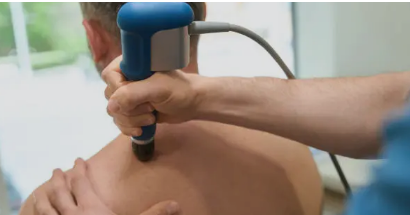
Stroke survivors can suffer from pain caused by spasticity, contractures and central post-stroke pain syndrome (CPSP). Physiotherapists may recommend TENS or electrical stimulation to reduce pain. They can also help you learn techniques to reduce your pain levels at home. For more information about the stroke survivor physio Campbelltown, click here.
Physios can help you set goals for your recovery and support you in meeting those goals. They can also advise you about your diet, lifestyle and exercise and give you tips on how to get active. For example, they might suggest you try walking or joining a local exercise referral scheme or specialist rehabilitation groups.
Keeping your body moving is good for you and helps reduce the risk of another stroke. It also releases endorphins, which are chemicals in the brain that relieve pain naturally. Talk to your physiotherapist about how you can be active at home or in the community, and visit our Getting Active page for more ideas. It’s essential to keep in mind that the rate of improvement is generally the fastest in the weeks and months after your stroke.
Gait Training
Gait training is one of the most common types of physiotherapy that people with stroke or other injuries may receive. It involves exercises to improve balance and strengthen muscles that are involved in walking. This can help increase the speed of a person’s recovery and decrease their risk for falls.
Abnormal gait patterns are a frequent complication of a stroke due to disruption of neural pathways in the motor cortex and their communication with the brainstem and intraspinal locomotor network. This can lead to changes in muscle tone and altered synergistic movement patterns that may be unique to the individual’s injury.
A therapist can use several methods of gait training to help a patient recover from an injury or physical trauma. One technique is body weight-supported treadmill training (BWSTT). This type of therapy has been shown to be as effective as overground gait retraining and more beneficial than low-intensity home programs in improving a person’s ability to walk. For more information about the stroke survivor physio Campbelltown, click here.
Occupational Therapy
The goal of occupational therapy is to help you regain the skills that you need for your everyday life. This includes being able to care for yourself and engage in social activities, as well as being able to work and manage your day-to-day activities.
Your physiotherapist may use different interventions, such as task repetition training, strength and conditioning, exercises for cardiovascular fitness, manual therapy, stretching, gait training and sensory and balance training. These programs are tailored to your individual needs and goals and focus on improving posture, movement and coordination, as well as balance, strength, range of motion, and sensation.