Pool Pumps Adelaide’ Step-by-Step Guide to Installing and Using Pool Pumps in Adelaide Homes
Maintaining a clean and healthy swimming pool in South Australia requires more than just regular cleaning—it depends heavily on a properly installed and efficiently running pump system. For homeowners searching for pool pumps Adelaide, understanding how to install and use a pool pump correctly can make a significant difference in water clarity, energy consumption, and long-term maintenance costs. In this guide, we break down everything from installation basics to daily operation tailored specifically for conditions in Adelaide.
Pool pump systems in Adelaide are designed to circulate water through filtration systems, remove debris, balance chemicals, and ensure safe swimming conditions year-round. Whether you’re upgrading an old unit or installing a new one, knowing the correct process will help you avoid costly mistakes and extend the life of your equipment.
Understanding How Pool Pumps Work
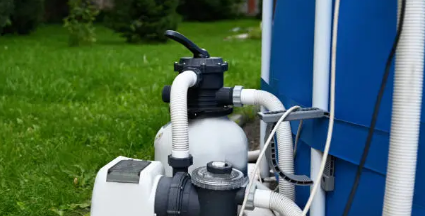
A pool pump functions as the heart of your pool’s circulation system. It draws water from the pool through skimmers and drains, filters it, and returns clean water to the pool.
Key components include:
● Pump motor – powers water circulation
● Impeller – moves water through the system
● Strainer basket – captures debris before it reaches the motor
● Housing unit – protects internal components
In Adelaide’s warm summers and cooler winters, proper circulation is essential to prevent algae growth and maintain chemical balance.
Choosing the Right Pool Pump for Adelaide Conditions
Before installation, selecting the correct pump type is critical. Adelaide homeowners typically choose between:
1. Single-Speed Pumps
● Lower upfront cost
● Higher energy consumption
● Best for small or rarely used pools
2. Dual-Speed Pumps
● Offers efficiency control
● Good balance between cost and performance
3. Variable-Speed Pumps
● Most energy-efficient option
● Quiet operation
● Ideal for long-term savings in energy bills
Given rising electricity costs in South Australia, many households are transitioning toward variable-speed systems for better efficiency.
Step-by-Step Pool Pump Installation Guide
Installing a pool pump involves careful planning and adherence to safety standards.
Step 1: Select the Installation Location
Choose a dry, ventilated area close to the pool’s filtration system. Avoid direct sun exposure where possible to reduce motor strain.
Step 2: Prepare Plumbing Connections
Ensure pipes are correctly aligned with inlet and outlet ports. Use PVC primer and cement for secure, leak-free joints.
Step 3: Mount the Pump Securely
Place the pump on a stable concrete base to minimise vibration and noise during operation.
Step 4: Electrical Setup
A licensed electrician should ideally handle this step. The pump must comply with Australian electrical safety standards.
Step 5: Prime the Pump
Fill the pump basket with water before first use to prevent dry running, which can damage internal components.
How to Properly Use Your Pool Pump
Once installed, proper operation ensures maximum efficiency and lifespan.
● Run the pump for 6–10 hours daily, depending on pool size
● Adjust runtime during hotter months for increased circulation
● Clean the strainer basket weekly
● Monitor pressure gauge readings regularly
● Backwash the filter when pressure rises significantly
Efficient usage is especially important in Adelaide’s summer heat, where evaporation and algae growth can increase maintenance demands.
Energy Efficiency Tips for Adelaide Homeowners
Reducing energy consumption is a major concern for pool owners. To optimise efficiency:
● Use a variable-speed pump and run it at lower speeds for longer periods
● Operate during off-peak electricity hours
● Keep filters clean to reduce strain on the motor
● Install a pool cover to minimise debris and evaporation
● Regularly inspect seals and fittings for leaks
These strategies not only successfully lower electricity bills but also extend equipment lifespan.
Common Pool Pump Problems and Fixes
Even well-maintained systems can experience issues. Here are common problems:
Pump Not Starting
● Check power supply
● Inspect circuit breaker
● Verify timer settings
Low Water Flow
● Dirty filter or basket
● Air leaks in suction line
● Blocked skimmer
Noisy Operation
● Loose mounting base
● Worn bearings
● Debris inside impeller
Addressing these issues early prevents costly repairs and system failure.
Maintenance Tips for Long-Term Performance
Routine maintenance is essential for reliable performance:
● Inspect pump weekly for leaks or cracks
● Clean baskets and filters regularly
● Schedule professional servicing annually
● Lubricate seals if recommended by the manufacturer
● Replace worn parts promptly
Adelaide’s seasonal climate variations can place additional stress on outdoor equipment, making consistent maintenance even more important.
Final Thoughts
Installing and using a pool pump correctly is essential for successfully maintaining a safe, clean, and enjoyable swimming environment. For homeowners seeking pool pumps in Adelaide, understanding the installation steps, usage guidelines, and maintenance practices ensures long-term performance and reduced operating costs.
With the right setup and regular care, your pool system can run efficiently year-round, even under the varying climate conditions of Adelaide. Whether you’re a new pool owner or upgrading an existing system, investing time in proper pump management will pay off in clearer water, lower bills, and fewer mechanical issues over time.