Varicose Vein Removal Adelaide: Varicose Vein Removal Adelaide Options
Many people with varicose veins find that medical procedures significantly improve their symptoms, including pain and swelling. These varicose vein removal options Adelaide remove or close the varicose veins, but they don’t keep blood from flowing through your legs.
varicose vein removal options Adelaide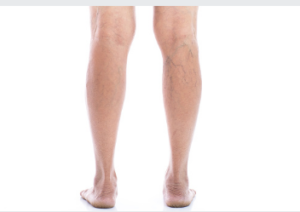 Foam sclerotherapy uses an injection of a chemical that causes your varicose vein to scar and close. The resulting scar tissue fades over time.
Venaseal
VenaSeal is a relatively new varicose vein treatment, but it has proven to be effective in treating diseased veins. It involves the use of a medical adhesive that is injected into the affected vein, sealing it off and redirecting blood flow to healthy vessels. It is a very efficient treatment option that has an extremely high success rate. This procedure is particularly effective for patients with average-sized varicose veins.
The procedure starts with your doctor numbing the skin on your leg using a local anesthetic. They then locate the damaged vein using ultrasound imaging. A catheter (a thin, hollow tube) is then inserted into the affected vein. The medical adhesive is then injected from the catheter, which seals off the damaged vein and stops blood flow. Over time, the damaged vein will disappear as blood is rerouted to other healthy veins in your legs. This minimally invasive treatment typically resolves painful symptoms immediately afterwards. However, it won’t prevent new varicose veins from forming in the future.
Sclerotherapy
The sclerotherapy procedure is one of the many varicose vein removal options Adelaide, and it uses a chemical called a sclerosant to damage the inside of varicose veins and spider veins. It causes the lining of the blood vessel to close, cutting off the flow of blood and causing the unhealthy vein to turn into scar tissue and fade away.
Sclerotherapy works well for most people, reducing the appearance of varicose and spider veins and relieving pain caused by these abnormal blood vessels. But it might not be suitable for you if you have a history of blood clots, are pregnant or taking aspirin, ibuprofen (Advil, Motrin IB, others), naproxen sodium (Aleve, Naproxen DS), other medicines used to treat blood clots, birth control pills or certain vitamins and herbs.
Radiofrequency Ablation
The doctor will numb the skin over the vein using a local anesthetic injection. A thin tube, called a catheter, is then inserted into the vein through an incision in your skin. The catheter is connected to a device that sends radiofrequency energy into the walls of the damaged vein, which heats them and seals the blood vessel shut. As a result, the blood is rerouted to healthy veins, and the defective one eventually dissolves and is absorbed into the body.
In the case of neuropathic pain, the doctor will also inject a small amount of numbing medication into precise spots where the needles will be going. It helps the doctors identify exactly which nerves are responsible for your discomfort and determine whether or not this treatment will be helpful.
It’s one of the few varicose vein removal options Adelaide that can be performed on an outpatient basis, so you will be able to return home shortly after your appointment. However, if you take blood-thinning medications, you will need to stop them for several days before the procedure. It is also important to arrange for someone to drive you to the appointment and back home afterwards.
Laser Ablation
Vein ablation is an in-office, outpatient procedure that treats the underlying problem of chronic venous insufficiency that causes varicose veins. The treatment uses radiofrequency waves to destroy the diseased vein and prevent new spider veins and varicose veins from forming. It’s one of the most effective and least invasive ways to treat the condition. It typically concludes within an hour and does not involve any downtime, making it a convenient lunchtime procedure for most patients. It also has a lower rate of recurrence than traditional surgery, and patients generally return to work or other activities immediately after the procedure.