Silage Covers: Essential for Quality Feed and Farm Efficiency
Silage covers are an essential tool in modern farming, particularly in Australia, where efficient feed preservation plays a crucial role in the agriculture industry. These covers are designed to protect silage from the elements and environmental contaminants, ensuring that the feed remains of high quality throughout storage. For quality silage covers, check this out.
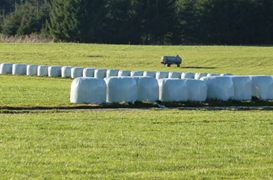 Silage covers are essential for Australian farmers to preserve the quality of stored feed. By protecting silage from environmental factors like moisture, air, and contaminants, these covers ensure optimal fermentation. Choosing the right silage cover reduces feed waste, improves nutritional value, and enhances farm efficiency, making them a vital investment.
What Are Silage Covers?
Silage covers are large, durable sheets, typically made from polyethylene or other heavy-duty materials, that cover silage piles or pits. Their primary purpose is to protect the silage from air, moisture, and contaminants, which can all lead to spoilage. By creating an airtight seal, silage covers help maintain the proper fermentation process, which is essential for producing high-quality silage.
The Importance of Silage Covers for Australian Farmers
Farmers in Australia face unique challenges when it comes to feed storage and preservation. With a climate that can range from sweltering summers to wet and humid conditions, ensuring the quality of silage is often a delicate balancing act. Silage covers help mitigate these challenges in several ways:
- Protection from Weather Conditions: Australia’s climate can be unpredictable, with periods of intense heat, heavy rainfall, and high humidity. Silage covers shield the stored feed from these weather elements, preventing rain from causing spoilage and protecting the silage from excessive drying due to heat.
- Reducing Oxygen Exposure: The anaerobic fermentation process required for silage storage can be compromised by exposure to oxygen. Silage covers create an airtight barrier that minimises the ingress of oxygen, thus ensuring the silage ferments properly and retains its nutritional content.
- Preventing Contamination: Silage piles are susceptible to contamination from dirt, debris, pests, and rodents. Silage covers protect the feed from these contaminants, reducing the risk of spoilage and ensuring that livestock are fed clean, high-quality silage.
- Minimising Feed Waste: Without proper coverage, silage can degrade over time, leading to significant feed waste. Silage covers reduce waste by maintaining the silage in optimal conditions, which helps farmers maximise the amount of feed they produce.
- Improved Storage Efficiency: Silage covers also help improve the overall efficiency of storage. They ensure that silage remains compact and stable, preventing it from expanding or shifting, which could lead to air pockets and uneven fermentation.
Types of Silage Covers
There are several types of silage covers available to Australian farmers, each designed for specific storage methods and conditions. The most common types include:
- Plastic Silage Covers: The most widely used type, these covers are typically made from high-density polyethylene (HDPE) or low-density polyethylene (LDPE). They are strong, durable, and resistant to UV rays, which is essential for long-term outdoor use.
- Oxygen Barrier Covers: These covers feature a multi-layered construction with an oxygen barrier layer that enhances the airtight seal. Oxygen barrier covers are particularly effective in reducing oxygen ingress and promoting the proper fermentation process, making them an excellent choice for farmers looking to improve silage quality.
- Silage Film and Sheets: For larger-scale operations, farmers may use silage film or large sheets of material to cover entire pits or bunkers. These films provide excellent coverage and are easy to handle, making them suitable for both small and large-scale operations.
- Weighted Silage Covers: These covers come with added weights or ballast to ensure they stay in place during windy conditions. They are particularly beneficial in regions of Australia where strong winds are common.
- Bale Wrap Covers: For silage stored in round bales, specialised bale wraps are used to encase the silage completely. These wraps are designed to be airtight and weather-resistant, ensuring that the bales remain undamaged and retain their nutritional value.
Conclusion:
Silage covers are a crucial investment for Australian farmers looking to preserve the quality of their feed and ensure the health of their livestock. Whether you’re managing large-scale operations or smaller farms, silage covers provide a practical solution to protect your hay from the elements, minimise waste, and improve feed quality.