Silage Film Transforming Feed Preservation
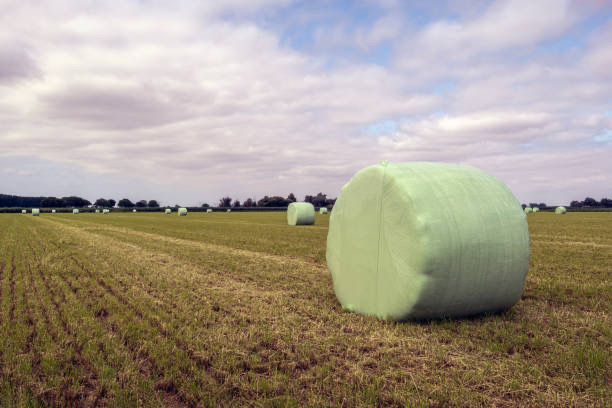
In the vast and varied landscapes of Australian agriculture, the role of silage film has become pivotal in enhancing the efficiency and quality of feed preservation. Silage film, a specialised plastic wrap used to seal and protect harvested forage, is crucial for maintaining nutrient-rich silage, which in turn supports livestock health and productivity. Recent innovations in silage film technology are reshaping farming practices across Australia, offering solutions that address unique climatic challenges and sustainability goals. This article explores these cutting-edge advancements and their profound impact on the Australian farming community.
The Importance of Silage Film in Australian Agriculture
Australia’s agricultural sector spans diverse climates, from the tropical north to the temperate south, presenting significant challenges in forage preservation. Silage film acts as a barrier to oxygen and moisture, creating anaerobic conditions essential for fermentation. This process locks in nutrients and prevents spoilage, ensuring high-quality feed for livestock throughout the year.
Given the increasing volatility in weather patterns, Australian farmers rely heavily on durable silage film to safeguard their investments. As such, technological advancements in silage film directly translate into economic resilience and sustainability for farms nationwide.
Enhanced Durability for Harsh Australian Conditions
One of the foremost innovations in silage film technology tailored for Australian farmers is the development of highly durable, UV-resistant films. Australia’s intense sunlight and variable weather can quickly degrade conventional plastic wraps, leading to premature spoilage and wastage.
Modern silage films now incorporate advanced UV stabilisers and multi-layered structures, significantly extending their lifespan even under prolonged exposure to harsh conditions. These films retain their strength and elasticity, preventing tears and punctures caused by wind, wildlife, or farm equipment.
This durability means Australian farmers can confidently store silage outdoors for longer periods without risking quality degradation — a critical benefit for remote farms where storage options may be limited.
Biodegradable and Eco-Friendly Silage Film Alternatives
Sustainability is increasingly a priority for Australian agriculture, aligning with national goals to reduce plastic waste and environmental impact. Innovations in biodegradable silage film are gaining traction as farmers seek responsible disposal methods.
These eco-friendly films are designed to break down naturally in the environment after use, minimising landfill accumulation. They utilise bio-based polymers or additives that promote microbial degradation while maintaining the essential barrier properties required for effective silage preservation.
Although biodegradable silage film currently comes at a premium price, many Australian producers are adopting it as part of corporate social responsibility initiatives and to comply with tightening regulations on agricultural plastics.
Intelligent Silage Film: Sensors and Smart Technologies
Emerging “smart” silage films equipped with embedded sensors represent a breakthrough in forage management for Australian farms. These sensors can monitor temperature, oxygen levels, and humidity within the silage bale, providing real-time data to farmers via connected devices.
By tracking these critical variables, farmers can detect early signs of spoilage or fermentation issues and take timely corrective actions. This technological integration helps maximise silage quality and reduce feed losses, improving overall livestock nutrition and farm profitability.
Pilot programs across Australia’s dairy and beef sectors have shown promising results, demonstrating that smart silage film could become a standard component of precision agriculture.
Improved Stretch and Cling Properties for Efficiency
Handling and application efficiency are another key focus in silage film innovation. New formulations with enhanced stretchability and cling improve the wrapping process, reducing the number of layers required and speeding up bale sealing.
Australian farmers benefit from films that conform tightly to bales without tearing, maintaining the anaerobic environment critical for silage fermentation. Reduced film usage also lowers material costs and decreases plastic waste.
These advancements are particularly valuable in large-scale operations prevalent in Australia, where time savings and operational efficiency directly impact profitability.
Tailored Solutions for Australian Crop Varieties
Australian agriculture features a range of forage crops, including lucerne, ryegrass, and sorghum, each with specific preservation needs. Manufacturers now offer silage films tailored to the moisture content and fermentation characteristics of these crops.
For instance, films with different oxygen permeability rates are matched to specific silage types, optimising fermentation and nutrient retention. This customisation allows Australian farmers to achieve consistently high-quality silage across various regions and feedstocks.
Conclusion: A New Era in Silage Film Technology for Australian Farmers
Innovations in silage film are revolutionising how Australian farmers manage feed preservation in the face of climatic, environmental, and economic challenges. Enhanced durability, biodegradable options, smart sensor integration, improved application efficiency, and crop-specific formulations collectively elevate the standard of silage production.
As the Australian agricultural sector continues to embrace these technologies, silage film will remain an indispensable tool — not only preserving feed quality but also supporting sustainability and profitability across the country’s farms. The ongoing development and adoption of advanced silage film solutions mark a confident step forward for the future of Australian agriculture.
If you want the latest updates on silage film technologies or tailored advice for your farm’s specific needs, consulting with local agricultural experts and suppliers is highly recommended. The right silage film choice can make all the difference in securing a resilient and productive farming operation.