Farming
-
Baling Twine Australia’ Elasticity and Mold Resistance for Sub-Tropical Pastures
Baling pasture in Australia’s humid, subtropical regions presents different challenges than working in dry inland conditions. Kikuyu, Rhodes grass and tropical legumes can retain more moisture at baling, while high ambient humidity can affect both the crop and the materials used to secure it.
Choosing suitable baling twine products in Australia, therefore, requires attention to more than just tensile strength. Elasticity, stretch recovery, UV resistance and resistance to moisture-related deterioration all matter when producing secure, durable bales in Queensland, northern New South Wales and other humid areas.
Why Humidity Matters During Pasture Baling
High humidity does not automatically make twine unsuitable, but it can change operating conditions around the baler. Moisture in the crop can increase bale density and alter how material feeds through the pickup and chamber.
For contractors and farmers, the key concern is maintaining consistent bale compression without placing excessive stress on the twine. A suitable humid climate baling twine Australia product should retain its mechanical properties in damp conditions and with repeated handling.
Understanding Twine Elasticity
Polypropylene baling twine has some flexibility, allowing it to accommodate movement within a bale. This is useful when forage expands slightly after baling or when bales are handled during transport and storage.
However, elasticity should not be confused with unlimited stretch. Twine that stretches excessively without adequate recovery can lose tension around the bale. High-quality baling twine products from Australia should provide a controlled balance between flexibility and tensile strength.
This becomes particularly important with high-moisture kikuyu and dense tropical forage. If the twine cannot maintain sufficient tension as the bale settles, loose binding can make stacking, transport and storage more difficult.
Choosing Twine for Kikuyu, Rhodes Grass and Tropical Legumes
Different pasture types place different demands on baling equipment and binding material. Kikuyu can produce dense, bulky forage, while Rhodes grass may become relatively abrasive when dry. Tropical legumes can also create dense windrows that require consistent feeding and compression.
When selecting baling twine in Australia, consider:
● Tensile strength: Match the twine to the baler and expected bale density.
● Elasticity: Look for controlled stretch that accommodates bale movement without excessive loss of tension.
● Moisture resistance: Polypropylene twine is generally suited to agricultural applications where exposure to moisture is expected.
● UV stability: Bales stored outdoors require twine with suitable UV resistance.
● Knot performance: Consistent diameter and surface characteristics help support reliable knot formation.
Reducing Mould Risk Around Humid-Weather Bales
Twine itself is not a substitute for correct haymaking practices. Mould develops mainly from excess moisture and inadequate curing before storage.
A humid climate baling twine Australia product can remain functional in damp surroundings, but the forage still needs to reach an appropriate moisture level for the intended storage method. Farmers should monitor crop moisture rather than relying on weather conditions or bale appearance alone.
Good storage practices also matter. Keep bales protected from ground moisture, provide appropriate ventilation and avoid tightly packing damp bales where heat and moisture can accumulate.
Check Twine and Knotter Performance
Humidity, dust and plant residue can also affect knotter operation. Before a long baling run, inspect the twine path, needles, billhooks and knotter components.
Correct twine tension is equally important. Excessive tension can increase breakage, while insufficient tension may result in poorly secured bales. Use the manufacturer’s recommended settings as the starting point.
Selecting Baling Twine Australia for Local Conditions
No single twine specification suits every pasture, baler, and storage system. Australian operators should consider their baler model, bale dimensions, crop characteristics, expected moisture and whether bales will be stored indoors or outdoors.
For sub-tropical operations, baling twine Australia should offer dependable knot strength and consistent performance while handling the extra moisture of humid conditions. Testing a twine product under actual operating conditions can help identify compatibility issues before peak harvest.
Conclusion
Successful sub-tropical pasture baling depends on matching the binding material to both the crop and the environment. Baling twine products with suitable elasticity, tensile strength, UV stability, and moisture resistance can help maintain bale integrity, but proper crop curing and storage remain essential for controlling mould.
Before your next kikuyu, Rhodes grass or tropical legume harvest, review your baler settings, crop moisture and twine specifications. Choose baling twine designed for dependable agricultural performance in Australia, then confirm it matches your equipment and storage conditions.
—
Frequently Asked Questions
1. What type of baling twine is suitable for humid Australian conditions?
A suitable twine should provide adequate tensile strength, controlled elasticity, UV resistance and reliable knot performance for the specific baler and crop.
2. Does humidity affect baling twine?
Humidity can affect operating conditions and crop moisture, but quality polypropylene agricultural twine is designed for outdoor agricultural use. Correct storage remains important.
3. Is kikuyu difficult to bale?
Kikuyu can form dense windrows and bales, so operators should match twine strength and baler settings to the crop and desired bale density.
4. Can baling twine prevent mould?
No. Mould is primarily controlled through appropriate crop curing, moisture management, ventilation and storage. Twine’s role is to keep the bale securely bound.
5. How should I choose baling twine for a sub-tropical farm?
Consider your baler model, crop type, bale density, expected moisture conditions, storage method and required knot strength before selecting a twine grade.
You May Also Like

Stockinette Bags in Australia’ The Sustainable Packaging Solution Transforming the Fresh Produce Industry
Net Wrap’ High UV Inhibitor Ratings for Outdoor Storage in Arid Red-Calcarosol Regions
Knotless Baling Twine in Australia’ How Innovative Twine Technology Is Boosting Efficiency, Reducing Waste, and Improving Bale Quality for Modern Farms
-
Net Wrap’ High UV Inhibitor Ratings for Outdoor Storage in Arid Red-Calcarosol Regions
Bales stored outdoors across Australia’s arid farming regions face intense solar exposure, particularly where shade or covered storage is limited. On the Eyre Peninsula and in Far West NSW, prolonged ultraviolet radiation can gradually weaken polymer structures, reducing the strength and reliability of agricultural netting. High-performance net wrap is designed to resist this degradation through carefully formulated polymers and UV stabilisers.
For producers leaving bales exposed between harvest and feeding, understanding UV resistance is essential. A net wrap that maintains tensile strength in sustained sunlight can help preserve bale shape, reduce handling problems, and provide more dependable protection during outdoor storage.
Why UV Exposure Matters for Net Wrap
Ultraviolet radiation can break down polymer chains within polyethylene products. This process, known as photodegradation, can make the material weaker, less flexible, and more susceptible to tearing.
The effect is particularly important when round bales remain uncovered for extended periods. Once the net wrap loses tensile performance, handling with loaders, transport equipment, or feeding machinery can place additional stress on already weakened areas.
The rate of degradation depends on several factors, including:
● UV intensity and duration of exposure
● Polymer formulation
● Concentration and quality of UV stabilisers
● Film or tape construction
● Storage conditions and seasonal temperatures
● Mechanical stress during baling and handling
UV Stabilisation in High-Performance Net Wrap
A high-performance net wrap uses polymer formulations designed to retain mechanical properties for longer during outdoor exposure. UV stabilisers work within the polymer to reduce damage from ultraviolet radiation, helping slow the loss of tensile strength.
However, UV resistance should not be judged simply by a label stating that a product is “UV stabilised.” Suppliers should provide technical information about the product’s intended exposure period and applicable storage conditions.
For Australian producers, this is especially relevant when comparing UV-stabilised, high-performance net wrap SA NSW products for exposed storage. A product intended for short-term outdoor use may not provide the same level of protection as one designed for demanding agricultural conditions.
Consider More Than UV Resistance
UV stability is only one part of net wrap performance. A suitable bale wrapping product should also provide consistent stretch, reliable edge coverage and resistance to tearing during baling.
When assessing a product, ask suppliers about:
● UV stabilisation specifications
● Tensile and tear performance
● Recommended outdoor exposure period
● Bale compatibility and application settings
● Product testing and quality-control procedures
● Suitable storage conditions after baling
Eyre Peninsula and Far West NSW Considerations
Agricultural operations across the Eyre Peninsula and Far West NSW can experience strong solar exposure and dry conditions. Where bales are stored uncovered, the net wrap is directly exposed to environmental stresses rather than protected by sheds, tarpaulins, or other coverings.
A high-performance net wrap can provide an additional margin of protection by retaining its structural properties for longer. This does not eliminate degradation, however. Producers should still follow the manufacturer’s recommended storage period and avoid assuming that UV stabilisation makes net wrap permanently weatherproof.
Bale placement also matters. Keeping bales away from unnecessary abrasion, sharp surfaces and excessive mechanical contact can reduce additional stress on the netting.
Choosing Net Wrap for Uncovered Bale Storage
For producers comparing UV-stabilised high-performance net wrap SA NSW options, technical documentation is more useful than marketing claims alone. Look for clear specifications covering polymer quality, UV stabilisation and mechanical performance.
The right product should match the expected storage duration, local climate and baling system. Where uncovered storage is unavoidable, selecting net wrap specifically suited to prolonged outdoor exposure can help maintain bale integrity and reduce avoidable handling problems.
Conclusion
Strong UV resistance is an important consideration when bales remain exposed across Australia’s arid agricultural regions. A high-performance net wrap with appropriate UV stabilisation can help slow polymer degradation and maintain tensile performance during outdoor storage. For operations across the Eyre Peninsula and Far West NSW, compare technical specifications carefully and choose a product rated for the expected exposure conditions.
Speak with a reputable agricultural packaging supplier to confirm the appropriate UV-stabilised, high-performance net wrap SA NSW solution for your baling equipment, storage period, and local conditions.
—
Frequently Asked Questions
1. Why is UV resistance important in net wrap?
UV radiation can gradually degrade polyethylene polymers, reducing tensile strength, flexibility and resistance to tearing.
2. Is UV-stabilised net wrap suitable for uncovered bales?
It can be suitable for outdoor storage when the product is specifically rated for the expected UV exposure and storage duration.
3. What affects net wrap UV degradation?
Solar exposure, polymer formulation, UV stabiliser performance, temperature, storage duration and mechanical stress can all influence degradation.
4. Should net wrap be selected differently for arid regions?
Yes. Areas with intense solar exposure may require products with stronger UV stabilisation and documented outdoor performance.
5. What should Australian farmers ask suppliers about UV-resistant net wrap?
Ask for UV stabilisation specifications, tensile performance, recommended exposure periods and guidance for the relevant baler and storage conditions.
-
Baler Twine in Western Australia’ Sisal vs Synthetic
Western Australian broadacre farms face demanding conditions during hay and straw baling. Dry weather, intense sunlight, dusty paddocks and seasonal rodent activity can all affect how well baler twine performs after bales leave the field. The choice between natural sisal and polypropylene twine also affects what happens to used twine once feeding, storage or handling is finished.
For growers focused on both bale security and waste management, understanding the practical differences between these materials is important. Natural sisal vs synthetic baler twine is not simply a question of strength; it also involves storage, durability, disposal and how each material behaves around rodents.
Natural Sisal vs Synthetic Baler Twine
Sisal twine is made from plant-based fibres, traditionally derived from the sisal plant’s leaves. It is biodegradable under suitable environmental conditions and has long been used for agricultural baling.
Polypropylene, by comparison, is a synthetic plastic material designed for consistent performance. Modern synthetic twines are available in various sizes and strength levels, making them suitable for a range of balers and bale densities.
For Western Australian producers, the choice should consider:
● Bale density and compression requirements
● Expected storage conditions
● Exposure to sunlight and moisture
● Rodent activity around stored hay
● Ease of collecting and disposing of used twine
● Compatibility with the baler and knotter
How Rodents Affect Twine Choice
Mice can become a serious concern around stored grain, hay and crop residues. They may chew materials they encounter, including twine used around bales. This makes baler twine selection particularly relevant when hay is stored in areas with recurring rodent pressure.
Sisal is a natural fibre, so it can be vulnerable to chewing and gradual degradation. Polypropylene is generally more resistant to biological degradation and can provide durable bale binding during storage. However, neither material should be treated as a complete solution to rodent problems.
Good storage practices remain essential. Keep bales elevated where practical, maintain tidy storage areas, minimise accessible feed sources and monitor for signs of rodent activity.
Waste Management After Baling
Waste handling is another important difference between the two materials. Sisal is biodegradable, although the rate and extent of breakdown depend on environmental conditions. It can therefore appeal to farms seeking to reduce persistent synthetic materials in agricultural waste streams.
Synthetic twine does not biodegrade in the same way. Loose polypropylene can persist in the environment if it is not properly collected and managed. Do not leave it in paddocks, waterways, or areas where livestock and wildlife may encounter it.
When using synthetic baler twine, establish a collection routine during feeding, bale handling and clean-up. Store recovered twine securely and investigate recycling or approved disposal options available in your area.
Choosing for Western Australian Conditions
No single material suits every farm. Sisal may appeal to growers who prioritise natural fibres and end-of-use considerations, while polypropylene may suit operations where consistent synthetic performance and durability are priorities.
The right choice also depends on the baler’s specifications and the type of forage being baled. Always check recommended twine size and strength before changing materials.
Making a Practical Choice
When comparing natural sisal vs. synthetic baler twine, consider the complete lifecycle rather than focusing only on the purchase price.
Ask:
● Will the bales be stored outdoors or under cover?
● How much rodent activity occurs around the storage area?
● What bale density and knot strength are required?
● How will used twine be collected?
● Are suitable recycling or disposal services available locally?
For Western Australian broadacre farms, balancing bale security with responsible waste management can make twine selection a more informed operational decision.
Conclusion
Choosing baler twine involves more than keeping a bale together. Sisal offers a plant-based, biodegradable option, while polypropylene provides a durable synthetic alternative that requires deliberate waste management. Rodent pressure, storage conditions, baler requirements and end-of-use handling should all influence the decision.
If you are reviewing your twine requirements for the next hay season, compare material type, strength, and disposal needs before ordering. Choose a baler twine product that matches your equipment and farming conditions while supporting practical waste-management practices.
—
Frequently Asked Questions
1. Is sisal baler twine biodegradable?
Yes. Sisal is a natural plant fibre and can biodegrade under suitable environmental conditions, although the process varies with moisture, temperature and other factors.
2. Is polypropylene baler twine affected by mice?
Mice can chew various materials around stored hay and agricultural products. Good rodent management and regular monitoring remain important regardless of twine type.
3. Which is stronger, sisal or polypropylene baler twine?
Strength depends on the specific product and grade. Synthetic polypropylene twines are available in a wide range of tensile strengths, while sisal performance varies by fibre and construction.
4. Can polypropylene twine be recycled?
Some polypropylene agricultural twine can be recycled where suitable collection and processing programs are available. Farmers should check local recycling requirements rather than assuming all used twine is accepted.
5. What should WA farmers consider when choosing baler twine?
Consider bale density, baler compatibility, knot strength, storage conditions, rodent activity, and how the used twine will be collected, disposed of, or recycled.
You May Also Like

Bale Wrap Sustainable Disposal and Recycling Options for Bale Wrap in Australia

Net Replacement Film Australia’ Why Choosing the Highest Quality Net Replacement Film Matters for Homes and Businesses
Laundry Services Adelaide’ Eco-Friendly and Convenient Solutions for Your Home and Business
-
Net Replacement Film Australia’ Why Choosing the Highest Quality Net Replacement Film Matters for Homes and Businesses
Australia’s harsh climate can take a toll on windows, screens, and protective materials over time. Whether you own a residential property, commercial building, greenhouse, or industrial facility, investing in the right net replacement film can significantly improve durability, appearance, and long-term performance. When searching for the highest quality Net Replacement film, understanding what sets premium products apart can help you make a smarter investment that delivers lasting value.
Understanding Net Replacement Film
Net replacement film is designed to replace worn, damaged, or outdated netting and protective film materials used in various applications. These films protect environmental elements while maintaining visibility, airflow, and functionality. In Australia, where UV exposure, strong winds, and seasonal weather changes are common, selecting the right replacement film is essential.
Property owners across the country increasingly seek durable solutions that can withstand demanding conditions without frequent replacements. This is where quality becomes one of the most important factors when evaluating available options.
Why Quality Matters in Australia’s Climate
Australia experiences some of the world’s highest levels of ultraviolet radiation. Inferior films can quickly become brittle, discoloured, or damaged after prolonged exposure to sunlight. Choosing the highest-quality Net Replacement film ensures greater resistance to UV degradation and environmental wear.
Premium net replacement films are engineered using advanced materials that maintain their structural integrity over time. This means fewer repairs, reduced maintenance costs, and greater peace of mind for property owners.
Key Features of Premium Net Replacement Film
UV Resistance
One of the most important characteristics of quality net replacement film is UV protection. Advanced UV-resistant films help prevent cracking, fading, and weakening caused by prolonged sun exposure.
Enhanced Durability
Premium film technologies are manufactured to withstand daily wear and tear. Whether installed in residential or commercial settings, durable materials offer a longer service life and better overall performance.
Improved Visibility
Modern net replacement films provide excellent transparency and visibility without compromising protection. This is particularly important for applications where maintaining clear views is a priority.
Weather Protection
Australian weather can be unpredictable. High-quality films are designed to resist wind, rain, heat, and other environmental factors that can affect performance over time.
Easy Maintenance
Superior products often require less maintenance than cheaper alternatives. Their smooth surfaces are easier to clean and maintain, helping preserve their appearance and functionality for years.
Applications Across Australia
Net replacement film is used in a wide range of residential, commercial, and industrial settings. Homeowners frequently use it to upgrade ageing installations and improve property aesthetics. Businesses often rely on replacement films to maintain professional appearances while ensuring long-term durability.
Agricultural operations also benefit from advanced replacement film technologies. Greenhouses, shade structures, and protective installations require materials that perform well under challenging environmental conditions.
As more Australians prioritise sustainability and cost-efficiency, durable replacement solutions are gaining popularity across multiple industries.
How to Identify the Highest Quality Products
When evaluating replacement film options, several factors can help determine overall quality. Material composition is one of the most important indicators. Premium-grade polymers generally offer superior performance compared to lower-cost alternatives.
Manufacturer reputation is another critical consideration. Established suppliers often invest heavily in research and development to produce products that meet Australian performance standards.
Warranty coverage can also provide insight into product reliability. Companies that stand behind their products with strong warranties typically have confidence in their long-term durability.
Reviews and customer feedback are equally valuable. Real-world experiences can reveal how a particular film performs under Australian conditions and whether it delivers on its promises.
For those seeking the highest-quality Net Replacement film, taking the time to compare specifications and performance features can lead to a more informed purchasing decision.
Long-Term Cost Benefits
While premium net replacement film may involve a higher initial investment, it often provides better value over time. Lower-quality products may require frequent repairs or replacement, leading to higher cumulative costs.
High-performance films are designed to maintain their effectiveness for extended periods. This reduces downtime, minimises maintenance requirements, and helps property owners avoid recurring expenses.
Businesses especially benefit from investing in durable materials because they can reduce operational disruptions and maintain a professional appearance throughout the year.
Sustainability and Environmental Considerations
Sustainability has become an increasingly important factor for Australian consumers and businesses. Longer-lasting products reduce waste by minimising replacement frequency.
Many premium manufacturers now focus on environmentally responsible production processes and recyclable materials. Choosing durable net replacement film supports both economic and environmental objectives.
By investing in quality products that last longer, property owners can reduce resource consumption and contribute to more sustainable building and maintenance practices.
Choosing the Right Supplier in Australia
Selecting a trusted supplier is just as important as choosing the right product. Look for companies with proven experience, strong customer support, and a reputation for supplying reliable materials.
Australian suppliers familiar with local climate conditions can often provide valuable recommendations based on regional requirements. Whether you’re located in Queensland, New South Wales, Victoria, South Australia, Western Australia, or Tasmania, working with knowledgeable professionals can help ensure optimal results.
When discussing your project, ask about material specifications, UV ratings, installation requirements, and warranty coverage. These details can help you identify the best solution for your specific needs.
Conclusion
Investing in premium net replacement film is a practical decision for Australian homeowners, businesses, and industrial operators seeking long-term performance and reliability. The highest quality Net Replacement film offers superior durability, UV resistance, weather protection, and overall value compared to lower-grade alternatives.
By understanding the features that distinguish premium products and choosing reputable Australian suppliers, you can ensure your investment delivers lasting benefits. Whether you’re replacing ageing materials or upgrading existing installations, quality should always be a top priority when selecting net replacement film.
-
Pallet Freezer Spacers’ Enhancing Cold Storage Efficiency for Australian Businesses
Efficient cold storage is a critical factor for Australian businesses in the food, logistics, and pharmaceutical sectors. One often-overlooked tool that can significantly improve freezer performance is pallet freezer spacers. These specialised devices are designed to create consistent airflow between stacked pallets, helping maintain uniform temperatures and protecting perishable products from spoilage. For Australian warehouses and cold storage facilities, investing in the right pallet freezer spacers can translate into substantial energy savings, improved operational efficiency, and compliance with strict national storage standards.
What Are Pallet Freezer Spacers?
Pallet freezer spacers are durable inserts, usually made from high-strength plastic, that sit between pallets in cold storage units. Their primary function is to prevent pallets from being stacked directly on top of one another, which can restrict airflow and lead to uneven cooling. In Australia, where businesses face diverse climatic conditions and stringent food safety regulations, these spacers are crucial for maintaining consistent temperatures throughout freezers and cold rooms.
By allowing cold air to circulate freely, pallet freezer spacers help avoid “hot spots” that can compromise the quality of frozen products. This is especially important for businesses handling seafood, meat, dairy, and pharmaceuticals, where even minor temperature variations can lead to significant losses.
Benefits of Using Pallet Freezer Spacers in Australia
1. Improved Airflow and Temperature Consistency
Australian cold storage facilities often operate in regions with high ambient temperatures, making consistent freezer performance essential. Pallet freezer spacers enhance airflow between pallets, ensuring that cold air reaches every layer of stored products. This uniform circulation reduces spoilage risk and maintains product quality, which is vital for food distributors, supermarkets, and pharmaceutical warehouses.
2. Energy Efficiency and Cost Savings
Energy costs are a significant concern for Australian businesses operating large-scale freezers. By improving airflow, pallet freezer spacers allow refrigeration systems to work more efficiently, reducing energy consumption. Over time, the energy savings can offset the initial investment in high-quality spacers, making them a cost-effective solution for facilities aiming to minimise operational expenses while maintaining optimal storage conditions.
3. Compliance with Australian Food Safety Standards
Australian food safety regulations, such as those outlined by Food Standards Australia New Zealand (FSANZ), require strict control of storage temperatures for perishable goods. Using pallet freezer spacers helps businesses adhere to these guidelines by preventing temperature fluctuations and ensuring that products remain within safe storage ranges. This reduces the huge risk of regulatory non-compliance and enhances customer trust in the safety and quality of the products.
4. Versatility Across Industries
While commonly used in food storage, pallet freezer spacers are also valuable for pharmaceutical and chemical cold storage. Their design accommodates various pallet sizes and freezer configurations, making them adaptable for warehouses across Australia, from Sydney to Perth. This versatility ensures that businesses can optimise storage solutions regardless of their industry or facility size.
Choosing the Right Pallet Freezer Spacers
When selecting pallet freezer spacers for an Australian operation, several factors should be considered:
● Material Strength: Spacers must withstand the weight of fully loaded pallets without deformation. High-density polyethylene (HDPE) is a remarkably popular choice for its durability and resistance to cold temperatures.
● Size and Compatibility: Ensure that spacers fit the dimensions of your pallets and allow adequate airflow. Many Australian suppliers offer custom sizes to meet specific storage requirements.
● Ease of Cleaning: Hygiene is critical in cold storage, especially for food and pharmaceutical products. Spacers that are easy to clean and resistant to microbial growth help maintain sanitary conditions.
● Sustainability: Australian businesses increasingly prioritise eco-friendly solutions. Reusable, recyclable pallet freezer spacers support sustainability goals while maintaining operational efficiency.
Implementation Tips for Australian Warehouses
Integrating pallet freezer spacers into your storage operations requires planning. Start by assessing your current freezer layout and identifying areas where airflow is restricted. Introduce spacers gradually and monitor temperature consistency across pallets. Staff training is also essential to ensure pallets are stacked correctly and spacers are positioned properly. Regular inspections and maintenance will significantly extend the lifespan of spacers and ensure ongoing efficiency.
Conclusion
For Australian businesses managing perishable goods, pallet freezer spacers are a simple yet highly effective solution to enhance cold storage efficiency. By improving airflow, reducing energy costs, and supporting compliance with national food safety standards, these spacers offer tangible benefits across a range of industries. Choosing the right spacers and implementing them thoughtfully ensures that warehouses operate smoothly, products remain safe, and operational costs are minimised.
Investing in pallet freezer spacers is not just a practical step for improving storage performance—it’s a strategic decision that protects product quality, supports sustainability, and strengthens customer confidence in Australian cold chain operations.
You May Also Like

Silage Film Transforming Feed Preservation
Stockinette Bags in Australia’ The Sustainable Packaging Solution Transforming the Fresh Produce Industry
Knotless Baling Twine in Australia’ How Innovative Twine Technology Is Boosting Efficiency, Reducing Waste, and Improving Bale Quality for Modern Farms
-
Stockinette Bags’ Affordable Solutions for Australian Farmers and Businesses
Stockinette bags have become an essential tool for Australian farmers, nurseries, and small businesses, offering a practical solution for storage, packaging, and transportation. For many enterprises, finding affordable stockinette bags without compromising on quality is a top priority. These versatile bags are designed to handle a variety of products, from fresh produce to seedlings, ensuring items remain protected while allowing for breathability and ease of handling. In Australia, where agricultural and horticultural businesses are constantly seeking cost-effective solutions, stockinette bags stand out as a reliable option for everyday use.
Why Stockinette Bags Are Popular in Australia
Australian farmers and businesses favour stockinette bags for their durability and versatility. Made from lightweight yet strong materials, these bags can carry a range of goods, including fruits, vegetables, flowers, and even bulk materials. The breathable fabric prevents moisture buildup, reducing the risk of spoilage—a critical factor for produce distributors in Australia’s varied climate.
In addition, stockinette bags are reusable, making them an eco-friendly choice for businesses looking to reduce waste and support sustainable practices. With increasing awareness of environmental responsibility, affordable stockinette bags offer a practical alternative to single-use plastics commonly used in packaging.
Key Features to Look for in Affordable Stockinette Bags
When sourcing stockinette bags in Australia, businesses should consider several features to ensure they get the best value for money:
1. Material Quality: High-quality cotton or synthetic blends provide strength and durability, ensuring the bags can withstand repeated use.
2. Size Options: Stockinette bags come in various sizes, from small pouches for individual produce items to large sacks suitable for bulk transport.
3. Breathability: Proper ventilation prevents moisture accumulation, keeping contents fresh and reducing spoilage.
4. Ease of Use: Drawstring closures or elastic openings allow for quick packing and unpacking, saving time during busy operations.
By focusing on these attributes, Australian businesses can make informed decisions when purchasing affordable stockinette bags.
Where to Buy Stockinette Bags in Australia
Local suppliers and online retailers provide a wide range of stockinette bags suitable for different needs and budgets. Many Australian businesses prefer sourcing locally to avoid high shipping costs and long delivery times. For example, suppliers in major agricultural regions like Victoria, New South Wales, and Queensland often stock bulk quantities of bags tailored to farmers’ requirements.
Online platforms also offer convenience and competitive pricing, allowing businesses to compare materials, sizes, and prices before making a purchase. Additionally, buying in bulk often results in significant savings, making it easier for small and medium enterprises to access affordable stockinette bags without compromising quality.
Benefits for Farmers and Small Businesses
Stockinette bags are particularly beneficial for small-scale Australian farmers and businesses due to their affordability and practicality. For fruit and vegetable producers, these bags simplify harvesting and packing, ensuring products are protected during transport to markets or distribution centres.
Nurseries also find stocking bags useful for seedlings and small plants. The breathable fabric promotes healthy root growth while protecting during transport. Additionally, businesses that sell bulk products such as grains or nuts can use stockinette bags to streamline storage and logistics, reducing the need for more expensive packaging.
Tips for Choosing the Right Stockinette Bags
To maximise the benefits of stockinette bags, Australian businesses should keep a few tips in mind:
● Assess Usage Needs: Determine whether the bags will carry heavy produce or lightweight items and choose materials accordingly.
● Check Durability: Look for reinforced seams and strong fabrics to ensure longevity.
● Consider Reusability: Opt for bags that can be washed and reused to save money over time.
● Buy in Bulk: Purchasing larger quantities often reduces cost per unit, making stockinette bags more affordable for ongoing use.
By following these guidelines, businesses can select stockinette bags that meet their operational needs while staying within budget.
Conclusion
For Australian farmers, nurseries, and small businesses, affordable stockinette bags provide an ideal blend of practicality, durability, and cost-effectiveness. They simplify packing, protect products, and promote sustainable practices—all while serving as a versatile option across industries. By sourcing locally or through reputable online suppliers, businesses can ensure a consistent supply of high-quality bags to support daily operations.
Investing in the right stockinette bags not only enhances efficiency but also supports a more sustainable, organised business approach. With careful selection, Australian enterprises can reap the full benefits of these practical, budget-friendly packaging solutions.
-
Laundry Services Adelaide’ Eco-Friendly and Convenient Solutions for Your Home and Business
Finding reliable and efficient laundry services in Adelaide is no longer just about clean clothes—it’s about sustainability, convenience, and supporting local businesses that prioritise eco-friendly practices. In a city like Adelaide, where residents and businesses increasingly value environmentally conscious choices, laundry services have evolved to meet these needs, offering solutions that save time, reduce waste, and protect the environment.
The Rise of Eco-Friendly Laundry Services in Adelaide
Over the past decade, Adelaide has seen a surge in laundry providers offering green and sustainable cleaning options. Traditional laundry practices often involve high water usage, energy-intensive machines, and harsh chemicals that can harm both fabrics and the environment. Eco-conscious Adelaide laundry services now use biodegradable detergents, energy-efficient washing machines, and water-saving technologies to minimise environmental impact.
These services are designed to meet the needs of both households and commercial clients. From busy families seeking weekly pickup and delivery to local cafes, restaurants, and hotels requiring hygienic linen management, eco-friendly laundry providers in Adelaide deliver high-quality cleaning while promoting sustainable practices.
Benefits of Choosing Sustainable Laundry Services
Opting for environmentally friendly laundry services in Adelaide comes with several advantages:
1. Environmental Protection: By using energy-efficient machines and biodegradable detergents, these services significantly reduce water and chemical waste, helping preserve local ecosystems.
2. Improved Fabric Longevity: Gentle cleaning processes and eco-friendly detergents help preserve the integrity of your clothing and linens, keeping them looking fresh for longer.
3. Convenience: Many Adelaide laundry services now offer door-to-door pickup and delivery, eliminating the hassle of frequent trips to the laundromat.
4. Supporting Local Business: Choosing local services strengthens Adelaide’s community economy and encourages sustainable business practices within the city.
Tailored Solutions for Residential and Commercial Clients
Adelaide’s laundry industry caters to a diverse clientele. Residential customers benefit from flexible subscription plans, same-day laundry service, and special care for delicate garments. Services often include stain removal, ironing, and garment repairs, ensuring your clothes return in perfect condition.
For commercial clients, eco-friendly laundry providers offer scalable solutions for hotels, restaurants, gyms, and healthcare facilities. These services emphasise hygienic cleaning and timely deliveries, allowing businesses to maintain high standards of cleanliness while reducing operational costs. In Adelaide’s competitive service industry, partnering with a reliable laundry provider can improve efficiency and customer satisfaction.
Technological Innovations Driving Laundry Services in Adelaide
Modern laundry services in Adelaide leverage technology to improve efficiency and sustainability. Some services use smart washers and dryers that adjust water and energy usage based on load size, minimising waste. Others employ advanced tracking systems that monitor garment care, ensuring that items are cleaned according to their specific requirements.
Mobile apps and online booking platforms have also become a standard feature. Adelaide residents can now schedule pickups, track laundry progress, and manage subscriptions from their smartphones, making laundry services not only eco-friendly but also highly convenient.
Tips for Choosing the Right Laundry Service in Adelaide
With so many options available, selecting the right laundry service in Adelaide can feel overwhelming. Here are some tips to guide your choice:
● Check Sustainability Practices: Look for services that use biodegradable detergents, energy-efficient machines, and water-saving techniques.
● Read Reviews: Customer feedback provides insight into service reliability, turnaround time, and garment care quality.
● Compare Pricing and Services: Evaluate providers based on cost, delivery options, and additional services such as ironing or stain treatment.
● Assess Accessibility: Choose a service with convenient pickup and delivery locations or flexible scheduling that fits your lifestyle.
Supporting Adelaide’s Green Initiatives
Eco-friendly laundry services in Adelaide contribute to the city’s broader sustainability goals. By reducing energy consumption, lowering water usage, and minimising chemical waste, these providers help the city move towards a greener future. Residents who choose local, sustainable laundry options actively reduce their environmental footprint while enjoying the convenience of professional cleaning.
Conclusion
For residents and businesses in Adelaide, modern laundry services go beyond simply cleaning clothes—they offer environmentally conscious, efficient, and convenient solutions. From households seeking hassle-free laundry care to commercial establishments requiring hygienic and timely linen management, eco-friendly providers are reshaping the laundry industry in Adelaide.
By opting for sustainable laundry services, you support local businesses, protect the environment, and ensure your garments are treated with care. With the right service, you can enjoy clean, fresh clothes and linens while contributing to a greener Adelaide—making professional laundry not only a convenience but also a responsible choice.
-
Stockinette Bags’ Essential Solutions for Australia’s Agriculture and Mining Industries
Stockinette bags are becoming increasingly vital across Australia, particularly in the agriculture and mining sectors, where efficiency, durability, and cost-effectiveness are paramount. These versatile bags are designed to store, transport, and protect bulk products, including farm produce and minerals. Australian farmers and mining operators are turning to stockinette bags not only for their practicality but also for their ability to meet local standards, adapt to diverse climates, and support sustainable practices.
The Role of Stockinette Bags in Australian Agriculture
In Australia, agriculture is a cornerstone of the economy, with states like Queensland, New South Wales, and Victoria leading in crop and livestock production. Stockinette bags are widely used to store and transport fruits, vegetables, grains, and even seedlings. Unlike traditional sacks, these bags are breathable, allowing air to circulate, preventing moisture buildup, and reducing the risk of spoilage. For farmers exporting produce domestically or internationally, stockinette bags help keep products fresh and undamaged during transit.
Australian suppliers offer a variety of stockinette bag options tailored to the unique demands of the local agricultural industry. Some bags are designed for heavy-duty use, capable of carrying large volumes of grains or root vegetables, while others are lightweight for delicate produce like berries or leafy greens. The adaptability of these bags to different sizes, weights, and materials makes them a preferred choice for modern Australian farms aiming to maintain high-quality standards.
Stockinette Bags in the Mining Sector
The mining industry, a significant contributor to Australia’s GDP, also relies heavily on stockinette bags. Minerals such as coal, sand, and fertilisers require secure storage and transport, and stockinette bags provide a reliable solution. Their durability helps protect contents from environmental exposure, reducing loss and contamination during handling. In states like Western Australia and Queensland, where large-scale mining operations are prevalent, stockinette bags support the efficient movement of resources from mines to processing facilities or shipping ports.
Many mining operators in Australia are opting for stockinette bags that meet strict safety and environmental regulations. Some bags are treated to resist tears, moisture, and UV exposure, ensuring that the contents remain intact even in harsh conditions. By using these bags, Australian mining companies can minimise waste, enhance operational efficiency, and contribute to more sustainable practices.
Eco-Friendly Trends in Stockinette Bags
Sustainability is a growing priority for Australian businesses, and stockinette bags are evolving to meet these expectations. Many local manufacturers now produce biodegradable or recyclable options, helping reduce environmental impact. Farmers and mining operators who prioritise green solutions are increasingly adopting these eco-friendly bags to align with Australia’s environmental policies and global sustainability initiatives.
For agriculture, eco-friendly stocking bags reduce plastic waste while maintaining the functionality needed for crop protection and transport. In mining, recyclable stockinette bags offer a practical way to manage bulk materials without contributing to landfill issues. This focus on sustainability has made stockinette bags not just a practical tool but also a responsible choice for businesses across Australia.
Local Suppliers and Standards
Australian businesses benefit from a robust network of local suppliers that understand regional needs. Stockinette bags sourced from Australian manufacturers often adhere to national safety standards and quality certifications, ensuring they are fit for purpose. Local suppliers also offer customisation options, including size, colour, and material type, which allows companies to tailor solutions to specific operational requirements.
Partnering with local suppliers has additional advantages: faster delivery times, easier bulk ordering, and direct support from manufacturers familiar with Australian conditions. This local expertise ensures that stockinette bags perform optimally across diverse environments, from tropical Queensland farms to arid Western Australian mining sites.
Conclusion
Stockinette bags are more than just storage solutions; they are integral to the success of Australia’s agriculture and mining industries. Their durability, versatility, and sustainability make them a smart choice for businesses seeking reliable, high-quality options. By investing in locally sourced stockinette bags, Australian farmers and mining operators can enhance efficiency, reduce waste, and maintain compliance with national standards.
As demand continues to grow, stockinette bags will remain a practical, environmentally conscious, and indispensable part of Australia’s industrial landscape, supporting the country’s agricultural output and mineral exports well into the future.
-
Stockinette Bags in Australia’ The Sustainable Packaging Solution Transforming the Fresh Produce Industry
In recent years, the push toward sustainable packaging has gained significant momentum across Australia’s agricultural and retail sectors. One particular innovation that has quietly transformed the way fresh produce is packaged and distributed is stockinette bags. These simple yet highly effective bags have become a mainstay in the Australian market, especially for packaging fruits, vegetables, and even firewood.
Designed to be both functional and eco-friendly, stockinette bags offer an ideal balance between sustainability, durability, and practicality—qualities that align perfectly with Australia’s growing commitment to reducing plastic waste.
What Are Stockinette Bags?
Stockinette bags are knitted mesh bags typically made from natural cotton, biodegradable materials, or synthetic fibres such as polyester. Their flexible, breathable structure makes them particularly useful for packaging produce that requires airflow, such as onions, citrus fruits, and potatoes. Unlike traditional plastic packaging, stockinette bags allow the contents to “breathe,” reducing moisture buildup and extending product shelf life.
In Australia’s warm climate, where humidity and high temperatures can compromise the freshness of fruits and vegetables, these bags provide an efficient solution. Australian growers and suppliers appreciate their lightweight nature, which helps minimise freight costs while maintaining the integrity of the packaged goods. Furthermore, their reusability aligns with the Australian government’s broader sustainability goals, including initiatives to phase out single-use plastics.
The Role of Stockinette Bags in the Australian Produce Industry
Australia’s agricultural sector relies heavily on efficient packaging to maintain product quality from farm to consumer. Here, stockinette bags play a critical role. They are used extensively in the fresh produce industry for packing onions, garlic, citrus, and avocados—commodities that dominate both domestic and export markets.
Environmental Benefits Driving Their Popularity
One of the key reasons stockinette bags are gaining popularity in Australia is their environmental advantage. As the country moves toward eliminating unnecessary plastic waste, these bags provide a sustainable alternative without compromising performance. Cotton or biodegradable variants of stockinette bags are particularly appealing to environmentally conscious businesses, as they can decompose naturally without releasing harmful microplastics into the environment.
In rural Australia, where many communities are close to agricultural operations, reducing plastic waste also helps protect local ecosystems. Farmers have increasingly adopted these reusable packaging solutions not only to comply with regulations but also to align with consumer expectations. Modern Australian consumers are more aware than ever of the origins of their products and how they’re packaged, making sustainable solutions like stockinette bags an essential part of maintaining brand trust and loyalty.
Practical Advantages Beyond Produce
While the agricultural industry remains the largest user, stockinette bags are used in Australia for applications well beyond fresh produce. They are commonly used for packaging cured meats, firewood, shellfish, and even industrial products requiring breathable yet secure containment. Their versatility, coupled with the option to choose from different mesh sizes, colours, and materials, makes them a go-to choice across multiple sectors.
In retail settings, stockinette bags are also used for promotional gift packs or eco-friendly hamper presentations. Their aesthetic appeal—simple, rustic, and natural—fits well with the growing trend toward eco-conscious consumerism in Australia. Businesses looking to reduce plastic use without sacrificing functionality find these bags an attractive and cost-effective solution.
Supporting Australia’s Sustainability Goals
Australia’s national initiatives toward environmental sustainability are accelerating the shift to eco-friendly packaging materials. The Australian Packaging Covenant Organisation (APCO) has set ambitious targets for all packaging to be reusable, recyclable, or compostable by 2025. Within this framework, stockinette bags align perfectly with the principles of a circular economy.
Local manufacturers and importers are responding to the demand by offering a variety of sustainable options. Some companies now produce stockinette bags from recycled or plant-based fibres, further reducing their carbon footprint. This ongoing innovation ensures that the Australian market remains at the forefront of sustainable packaging technology.
The Future of Stockinette Bags in Australia
As sustainability becomes an essential consideration across all industries, the future of stockinette bags in Australia looks promising. Their combination of practicality, environmental responsibility, and affordability makes them an enduring choice for both producers and consumers. With growing support from government policies, retail partnerships, and eco-conscious shoppers, the adoption of stockinette packaging is likely to continue rising over the coming decade.
Conclusion
From farms to supermarket shelves, stockinette bags have become a cornerstone of sustainable packaging in Australia. Their breathable design, reusability, and environmental benefits position them as an essential part of the future of eco-friendly agriculture and retail. As Australian industries continue to embrace greener practices, stockinette bags represent more than just packaging—they symbolise a commitment to a cleaner, more sustainable future for generations to come.
You May Also Like
Knotless Baling Twine in Australia’ How Innovative Twine Technology Is Boosting Efficiency, Reducing Waste, and Improving Bale Quality for Modern Farms
Laundry Services Adelaide’ Eco-Friendly and Convenient Solutions for Your Home and Business
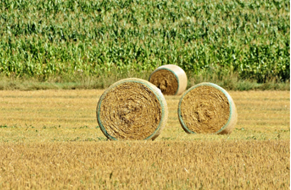
Baling Twine Australia’ Elasticity and Mold Resistance for Sub-Tropical Pastures
-
Knotless Baling Twine in Australia’ How Innovative Twine Technology Is Boosting Efficiency, Reducing Waste, and Improving Bale Quality for Modern Farms
In today’s competitive agricultural landscape, efficiency, sustainability, and product quality are critical to the profitability and long-term success of Australian farms. As baling technology continues to evolve, one innovation is transforming how farmers store, transport, and preserve fodder: knotless baling twine. This advanced solution is rapidly becoming the preferred choice over traditional twine due to its ability to streamline operations, minimise waste, and deliver consistently superior bale quality.
Below, we explore how knotless baling twine is reshaping modern farming practices across Australia and why it has become a must-have for agricultural operations of all sizes.
The Evolution of Baling: From Knotted to Knotless
Baling twine has long been an essential part of hay and silage production, used to secure bales tightly and protect them during handling and storage. Traditionally, balers have relied on twine that ties off with a knot, but this method introduces several inefficiencies. Knots can weaken the twine, cause uneven tension, and result in excess waste, all of which impact bale quality and operational performance.
Knotless baling twine, on the other hand, eliminates these issues by using a continuous filament design that maintains consistent tension without the need for tying knots. The result is a cleaner, stronger, and more efficient baling process — one that meets the demands of modern, large-scale agricultural operations.
Enhanced Efficiency: Faster Baling with Fewer Breaks
Time is one of the most valuable resources on any farm. During harvest season, every minute counts — and traditional baling methods that involve knotting can slow operations, leading to unexpected downtime. Knotless baling twine is engineered to optimise the baling process, significantly reducing interruptions caused by twine breaks, jams, or knot failures.
With no knots to tie, balers can operate more smoothly and continuously, allowing farmers to cover more ground in less time. This improvement in efficiency not only reduces labour costs but also helps ensure that crops are baled at their peak nutritional value, a crucial factor in maintaining feed quality.
Superior Bale Integrity and Consistency
One of the most significant advantages of knotless baling twine is the superior quality and uniformity it provides to each bale. Traditional knotted twine often causes uneven tension, which can lead to loose bales, poor stacking, or even spoilage during storage.
Because knotless twine maintains consistent tension throughout the wrapping process, bales are formed more tightly and uniformly. This improved bale integrity offers several key benefits:
- Better preservation of nutrients: Tightly packed bales are less exposed to air and moisture, reducing spoilage and maintaining feed quality.
- Improved storage efficiency: Uniform bales stack more securely, saving space and reducing the risk of collapse during storage or transport.
- Enhanced handling: Consistent bale size and shape make loading, unloading, and transport more efficient and less labour-intensive.
Reduced Waste and Greater Sustainability
Sustainability is becoming increasingly crucial for Australian farmers, both from an environmental standpoint and a business perspective. Traditional baling twine often results in waste due to knot trimmings and breakage. These offcuts not only accumulate over time but also contribute to environmental pollution if not disposed of properly.
Knotless baling twine significantly reduces this waste by eliminating knots, leaving virtually no excess material behind. Additionally, many modern knotless twines are made from recyclable materials or are designed for minimal environmental impact, aligning with the industry’s growing focus on eco-friendly practices.
By reducing waste and promoting more sustainable operations, farms can enhance their environmental credentials while also cutting disposal costs — a win-win for both the land and the bottom line.
Increased Durability and Reliability
Durability is another key factor when selecting baling twine, particularly in the challenging conditions of the Australian climate. Knotless baling twine is designed to withstand high tension, rough handling, and extended storage periods without fraying or snapping. Its continuous construction eliminates the common weak points found in knotted twine, resulting in a stronger and more reliable hold.
Conclusion:
Knotless baling twine is more than just an incremental improvement in baling technology — it represents a significant leap forward for modern agriculture. By eliminating knots, it enhances efficiency, reduces waste, improves bale integrity, and supports sustainable farming practices. For Australian farmers seeking to stay competitive in an increasingly demanding industry, adopting knotless baling twine is a wise, future-focused decision that yields benefits in both the immediate and long term.
As farms continue to embrace innovation, this cutting-edge solution is set to become the new standard for high-quality, efficient, and environmentally responsible baling across Australia.