Silage Plastic: The Backbone of Modern Forage Preservation
Silage plastic has revolutionised how Australian farmers manage forage, protect crops, and ensure high-quality feed throughout the year. As the agricultural industry evolves with growing demands and climatic challenges, the role of silage plastic has become more critical than ever. From boosting livestock nutrition to reducing waste and spoilage, silage plastic plays a vital role in efficient farm management. For quality silage plastic roll, click here.
What is Silage Plastic?
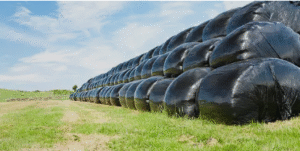 Silage plastic is a specialised polyethylene film used to wrap or cover silage—a type of preserved forage made from crops like corn, grass, or legumes. The plastic provides an airtight seal that prevents oxygen from entering the silage stack or bale, allowing fermentation to occur under anaerobic conditions. This fermentation process preserves the nutritional value of the forage and makes it suitable for livestock feed months after harvest.
The Importance of Silage Plastic in Australian Agriculture
Australia’s diverse climate, ranging from tropical in the north to temperate in the south, creates varying challenges for forage storage. Silage plastic provides a reliable solution for farmers across these regions, ensuring feed stability regardless of weather fluctuations. In drought-prone areas, where fresh pasture may be limited, silage wrapped in durable plastic ensures a consistent food source for livestock.
Additionally, silage plastic supports modern farming systems such as zero-grazing and feedlot operations, where reliable, high-quality feed is essential. Without practical preservation, silage can spoil quickly due to exposure to air, leading to significant economic losses.
Benefits of Using Silage Plastic
Preserves Nutritional Value
Silage plastic maintains the integrity of stored forage by preventing air and moisture intrusion. It helps retain essential nutrients, especially proteins and carbohydrates, ensuring livestock receive high-quality feed.
Reduces Waste and Spoilage
Spoiled silage not only represents a financial loss but can also pose health risks to livestock. By using high-quality silage plastic, farmers can reduce exposure to mould and harmful bacteria.
Improves Feed Efficiency
High-quality silage leads to improved animal performance—better weight gain, milk yield, and overall health—resulting in more productive and profitable farm operations.
Saves Time and Labour
Silage plastic allows farmers to store feed close to where it will be used, reducing transportation time and costs. Additionally, it simplifies storage logistics and reduces manual handling.
Types of Silage Plastic Available in Australia
Australian farmers have access to a range of silage plastics tailored to different needs and conditions. The most common types include:
- Silage Wrap is used primarily for individual bales and is typically available in black, white, or green. It is multi-layered and UV-resistant.
- Silage Sheets or Covers: Large sheets are used to cover bunker silage or silage pits and are often used with protective nets and weights to maintain coverage.
- Underlay Films: Thin, clingy films placed under standard sheets to improve air-tightness and enhance fermentation.
- Bale Net and Twine: Often used in conjunction with wrap to secure bales before wrapping.
Modern silage plastics are UV-stabilised, puncture-resistant, and designed to withstand Australia’s harsh sun and unpredictable weather.
Choosing the Right Silage Plastic
When selecting silage plastic, Australian farmers should consider the following factors:
- Thickness and Durability: Thicker plastics (typically 25–30 microns for wrap) provide greater puncture resistance and longevity. It is especially important in regions with high winds or where bales may be stacked.
- UV Resistance: Australia’s high UV levels can quickly degrade low-quality plastic. To maintain integrity during storage, ensure the product is UV-stabilised.
- Stretchability and Cling: For bale wrapping, a plastic’s ability to stretch and cling tightly to itself is crucial for an airtight seal. The high-quality wrap should offer consistent stretch without tearing.
- Environmental Impact: Many manufacturers now offer recyclable or biodegradable silage plastic options, helping reduce environmental impact. Additionally, participating in recycling programs like Playback (available in parts of Australia) promotes sustainable farming practices.
Conclusion:
Silage plastic is more than just a cover—it is an investment in feed quality, animal health, and farm profitability. With a wide range of products available and increasing access to recycling options, Australian farmers can confidently rely on silage plastic to protect their forage and improve operational efficiency.