Farming
-
Bale Wrap Sustainable Disposal and Recycling Options for Bale Wrap in Australia
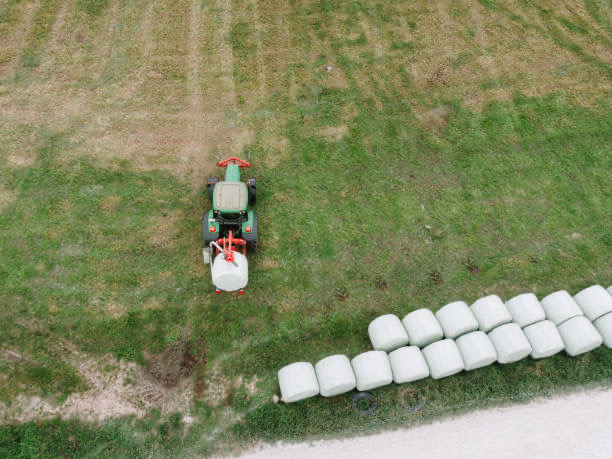
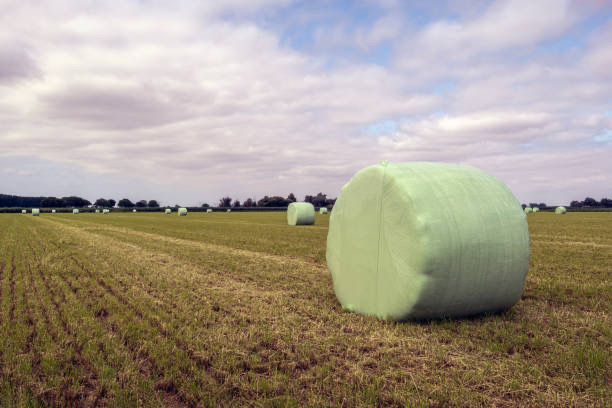
In Australian agriculture, bale wrap plays a critical role in preserving silage quality and ensuring livestock feed stays fresh throughout the year. However, as its usage increases across farms, so does the challenge of managing the disposal of used bale wrap responsibly. This article explores sustainable disposal and recycling options for bale wrap in Australia, offering practical insights for farmers and industry stakeholders committed to reducing environmental impact while maintaining operational efficiency.
Understanding the Environmental Challenge of Bale Wrap Disposal
Bale wrap is typically made from polyethylene plastic, prized for its durability, stretchability, and moisture resistance. While these properties are ideal for protecting forage, they also present a disposal dilemma. Improperly discarded bale wrap can accumulate in landfills or, worse, enter natural ecosystems, contributing to plastic pollution.
Australia’s vast rural landscapes are particularly vulnerable to plastic waste contamination. With many farms located in remote regions, access to appropriate recycling facilities is often limited, making sustainable disposal options crucial to safeguarding local environments and complying with evolving waste management regulations.
Current Recycling Infrastructure for Bale Wrap in Australia
Recycling bale wrap is not as straightforward as recycling household plastics due to its contamination with organic residues and its large size. However, several initiatives and specialised programs have emerged across Australia to address this.
1. AgPlas – Leading Agricultural Plastics Recycling
AgPlas is a notable Australian recycling scheme dedicated to agricultural plastics, including bale wrap. Through coordinated collection points often located at regional agricultural hubs, farmers can drop off used bale wrap for processing. The program cleans, shreds, and recycles the plastic into useful products such as plastic pallets, fencing materials, and even new agricultural films.
2. Local Council and Regional Programs
Some local councils and regional waste management bodies have introduced bale wrap collection days or dedicated agricultural waste recycling services. These initiatives often collaborate with industry partners and rely heavily on farmer participation to maximise their reach.
Practical Steps for Farmers: Minimising Waste and Facilitating Recycling
Farmers play a pivotal role in ensuring bale wrap enters recycling streams rather than polluting the environment. Here are essential steps for sustainable bale wrap disposal on Australian farms:
- Clean the Bale Wrap Before Disposal: Residual feed and soil can hinder recycling processes. Removing as much organic matter as possible before collection enhances the quality of recyclable material.
- Store Used Bale Wrap Properly: Avoid mixing bale wrap with other farm waste or leaving it exposed to the weather. Compact storage reduces volume and contamination, making transportation and recycling more efficient.
- Engage with Local Recycling Programs: Knowing the locations and schedules of bale wrap collection points helps farmers plan disposal in advance, preventing illegal dumping.
- Educate Farm Workers: Training staff to recognise the importance of bale wrap recycling ensures compliance and supports broader sustainability goals.
Innovations in Bale Wrap Materials: Towards a Circular Economy
The future of bale wrap sustainability in Australia is also tied to advances in material science. Several manufacturers are exploring biodegradable and recyclable bale wrap options that retain performance while easing end-of-life disposal concerns.
Biodegradable Bale Wraps
Though still in early adoption stages, biodegradable bale wraps promise to break down naturally over time, reducing long-term environmental footprints. Their suitability for Australian farming conditions is under active research to ensure they withstand harsh climates without compromising forage quality.
Recyclable and Reprocessed Bale Wraps
Some companies now produce bale wrap films with enhanced recyclability, designed to fit existing recycling streams more seamlessly. These products encourage a circular economy where used bale wrap is continuously transformed into new materials, minimising the demand for virgin plastics.
Regulatory Landscape and Industry Collaboration
Australia’s commitment to reducing plastic pollution is reflected in national and state-level policies targeting agricultural waste. For instance, the Australian Government’s National Waste Policy highlights the importance of managing agricultural plastics responsibly. Additionally, states like Victoria and New South Wales have implemented bans or levies on single-use plastics, motivating innovation in bale wrap disposal.
Industry bodies such as the Australian Agricultural Plastics Recycling Group (AAPR) foster collaboration among farmers, manufacturers, and recyclers to establish best practices and develop infrastructure that supports sustainable bale wrap disposal.
The Road Ahead: Balancing Productivity and Sustainability
Balancing the undeniable benefits of bale wrap in Australian agriculture with environmental responsibility requires ongoing commitment. Farmers must stay informed about recycling options and engage actively in waste reduction efforts. Meanwhile, industry stakeholders should continue investing in research and infrastructure to expand recycling capabilities, particularly in remote farming regions.
By adopting sustainable disposal and recycling practices, the Australian agricultural sector can demonstrate leadership in environmental stewardship without compromising productivity. This synergy ensures that bale wrap remains a valuable tool in farm management while protecting Australia’s unique landscapes for future generations.
Conclusion
Bale wrap is indispensable in Australian farming, yet its environmental impact cannot be overlooked. Sustainable disposal and recycling options are available and evolving, with initiatives like AgPlas and emerging biodegradable technologies leading the charge. Through cooperation between farmers, industry, and government, Australia can continue to benefit from bale wrap while championing responsible plastic management, securing a greener, more sustainable future for its agricultural communities.
You May Also Like
Net Wrap’ High UV Inhibitor Ratings for Outdoor Storage in Arid Red-Calcarosol Regions
Laundry Services Adelaide’ Eco-Friendly and Convenient Solutions for Your Home and Business

Stockinette Bags in Australia’ The Sustainable Packaging Solution Transforming the Fresh Produce Industry
-
Silage Film Transforming Feed Preservation
In the vast and varied landscapes of Australian agriculture, the role of silage film has become pivotal in enhancing the efficiency and quality of feed preservation. Silage film, a specialised plastic wrap used to seal and protect harvested forage, is crucial for maintaining nutrient-rich silage, which in turn supports livestock health and productivity. Recent innovations in silage film technology are reshaping farming practices across Australia, offering solutions that address unique climatic challenges and sustainability goals. This article explores these cutting-edge advancements and their profound impact on the Australian farming community.
The Importance of Silage Film in Australian Agriculture
Australia’s agricultural sector spans diverse climates, from the tropical north to the temperate south, presenting significant challenges in forage preservation. Silage film acts as a barrier to oxygen and moisture, creating anaerobic conditions essential for fermentation. This process locks in nutrients and prevents spoilage, ensuring high-quality feed for livestock throughout the year.
Given the increasing volatility in weather patterns, Australian farmers rely heavily on durable silage film to safeguard their investments. As such, technological advancements in silage film directly translate into economic resilience and sustainability for farms nationwide.
Enhanced Durability for Harsh Australian Conditions
One of the foremost innovations in silage film technology tailored for Australian farmers is the development of highly durable, UV-resistant films. Australia’s intense sunlight and variable weather can quickly degrade conventional plastic wraps, leading to premature spoilage and wastage.
Modern silage films now incorporate advanced UV stabilisers and multi-layered structures, significantly extending their lifespan even under prolonged exposure to harsh conditions. These films retain their strength and elasticity, preventing tears and punctures caused by wind, wildlife, or farm equipment.
This durability means Australian farmers can confidently store silage outdoors for longer periods without risking quality degradation — a critical benefit for remote farms where storage options may be limited.
Biodegradable and Eco-Friendly Silage Film Alternatives
Sustainability is increasingly a priority for Australian agriculture, aligning with national goals to reduce plastic waste and environmental impact. Innovations in biodegradable silage film are gaining traction as farmers seek responsible disposal methods.
These eco-friendly films are designed to break down naturally in the environment after use, minimising landfill accumulation. They utilise bio-based polymers or additives that promote microbial degradation while maintaining the essential barrier properties required for effective silage preservation.
Although biodegradable silage film currently comes at a premium price, many Australian producers are adopting it as part of corporate social responsibility initiatives and to comply with tightening regulations on agricultural plastics.
Intelligent Silage Film: Sensors and Smart Technologies
Emerging “smart” silage films equipped with embedded sensors represent a breakthrough in forage management for Australian farms. These sensors can monitor temperature, oxygen levels, and humidity within the silage bale, providing real-time data to farmers via connected devices.
By tracking these critical variables, farmers can detect early signs of spoilage or fermentation issues and take timely corrective actions. This technological integration helps maximise silage quality and reduce feed losses, improving overall livestock nutrition and farm profitability.
Pilot programs across Australia’s dairy and beef sectors have shown promising results, demonstrating that smart silage film could become a standard component of precision agriculture.
Improved Stretch and Cling Properties for Efficiency
Handling and application efficiency are another key focus in silage film innovation. New formulations with enhanced stretchability and cling improve the wrapping process, reducing the number of layers required and speeding up bale sealing.
Australian farmers benefit from films that conform tightly to bales without tearing, maintaining the anaerobic environment critical for silage fermentation. Reduced film usage also lowers material costs and decreases plastic waste.
These advancements are particularly valuable in large-scale operations prevalent in Australia, where time savings and operational efficiency directly impact profitability.
Tailored Solutions for Australian Crop Varieties
Australian agriculture features a range of forage crops, including lucerne, ryegrass, and sorghum, each with specific preservation needs. Manufacturers now offer silage films tailored to the moisture content and fermentation characteristics of these crops.
For instance, films with different oxygen permeability rates are matched to specific silage types, optimising fermentation and nutrient retention. This customisation allows Australian farmers to achieve consistently high-quality silage across various regions and feedstocks.
Conclusion: A New Era in Silage Film Technology for Australian Farmers
Innovations in silage film are revolutionising how Australian farmers manage feed preservation in the face of climatic, environmental, and economic challenges. Enhanced durability, biodegradable options, smart sensor integration, improved application efficiency, and crop-specific formulations collectively elevate the standard of silage production.
As the Australian agricultural sector continues to embrace these technologies, silage film will remain an indispensable tool — not only preserving feed quality but also supporting sustainability and profitability across the country’s farms. The ongoing development and adoption of advanced silage film solutions mark a confident step forward for the future of Australian agriculture.
If you want the latest updates on silage film technologies or tailored advice for your farm’s specific needs, consulting with local agricultural experts and suppliers is highly recommended. The right silage film choice can make all the difference in securing a resilient and productive farming operation.
-
Silage Plastic: The Backbone of Modern Forage Preservation
Silage plastic has revolutionised how Australian farmers manage forage, protect crops, and ensure high-quality feed throughout the year. As the agricultural industry evolves with growing demands and climatic challenges, the role of silage plastic has become more critical than ever. From boosting livestock nutrition to reducing waste and spoilage, silage plastic plays a vital role in efficient farm management. For quality silage plastic roll, click here.
What is Silage Plastic?
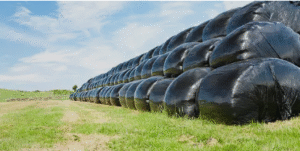 Silage plastic is a specialised polyethylene film used to wrap or cover silage—a type of preserved forage made from crops like corn, grass, or legumes. The plastic provides an airtight seal that prevents oxygen from entering the silage stack or bale, allowing fermentation to occur under anaerobic conditions. This fermentation process preserves the nutritional value of the forage and makes it suitable for livestock feed months after harvest.
The Importance of Silage Plastic in Australian Agriculture
Australia’s diverse climate, ranging from tropical in the north to temperate in the south, creates varying challenges for forage storage. Silage plastic provides a reliable solution for farmers across these regions, ensuring feed stability regardless of weather fluctuations. In drought-prone areas, where fresh pasture may be limited, silage wrapped in durable plastic ensures a consistent food source for livestock.
Additionally, silage plastic supports modern farming systems such as zero-grazing and feedlot operations, where reliable, high-quality feed is essential. Without practical preservation, silage can spoil quickly due to exposure to air, leading to significant economic losses.
Benefits of Using Silage Plastic
Preserves Nutritional Value
Silage plastic maintains the integrity of stored forage by preventing air and moisture intrusion. It helps retain essential nutrients, especially proteins and carbohydrates, ensuring livestock receive high-quality feed.
Reduces Waste and Spoilage
Spoiled silage not only represents a financial loss but can also pose health risks to livestock. By using high-quality silage plastic, farmers can reduce exposure to mould and harmful bacteria.
Improves Feed Efficiency
High-quality silage leads to improved animal performance—better weight gain, milk yield, and overall health—resulting in more productive and profitable farm operations.
Saves Time and Labour
Silage plastic allows farmers to store feed close to where it will be used, reducing transportation time and costs. Additionally, it simplifies storage logistics and reduces manual handling.
Types of Silage Plastic Available in Australia
Australian farmers have access to a range of silage plastics tailored to different needs and conditions. The most common types include:
- Silage Wrap is used primarily for individual bales and is typically available in black, white, or green. It is multi-layered and UV-resistant.
- Silage Sheets or Covers: Large sheets are used to cover bunker silage or silage pits and are often used with protective nets and weights to maintain coverage.
- Underlay Films: Thin, clingy films placed under standard sheets to improve air-tightness and enhance fermentation.
- Bale Net and Twine: Often used in conjunction with wrap to secure bales before wrapping.
Modern silage plastics are UV-stabilised, puncture-resistant, and designed to withstand Australia’s harsh sun and unpredictable weather.
Choosing the Right Silage Plastic
When selecting silage plastic, Australian farmers should consider the following factors:
- Thickness and Durability: Thicker plastics (typically 25–30 microns for wrap) provide greater puncture resistance and longevity. It is especially important in regions with high winds or where bales may be stacked.
- UV Resistance: Australia’s high UV levels can quickly degrade low-quality plastic. To maintain integrity during storage, ensure the product is UV-stabilised.
- Stretchability and Cling: For bale wrapping, a plastic’s ability to stretch and cling tightly to itself is crucial for an airtight seal. The high-quality wrap should offer consistent stretch without tearing.
- Environmental Impact: Many manufacturers now offer recyclable or biodegradable silage plastic options, helping reduce environmental impact. Additionally, participating in recycling programs like Playback (available in parts of Australia) promotes sustainable farming practices.
Conclusion:
Silage plastic is more than just a cover—it is an investment in feed quality, animal health, and farm profitability. With a wide range of products available and increasing access to recycling options, Australian farmers can confidently rely on silage plastic to protect their forage and improve operational efficiency.
-
Silage Plastic: Essential for High-Quality Feed Preservation
Silage plastic plays a crucial role in the agricultural industry, particularly in preserving high-quality feed for livestock. In Australia, where agriculture is a key part of the economy, the use of silage plastic has become indispensable for farmers seeking to optimise their feed storage methods. For more information about silage plastic Australia, click here.
What is Silage Plastic?
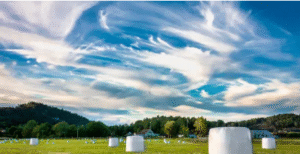 Silage plastic, often referred to as silage wrap or bale wrap, is a type of plastic film used to wrap silage—a fermented, high-moisture fodder used to feed livestock during periods when fresh pasture is not available. Silage is typically made from grass, maise, or other forage crops harvested at their peak nutritional content and then stored in airtight conditions to prevent spoilage.
The silage plastic provides an airtight seal, allowing the feed to ferment correctly and preserve its nutrients, vitamins, and proteins. The quality of the silage depends significantly on how well it is sealed, which is where the silage plastic comes into play. It’s available in various thicknesses and UV-resistant coatings to withstand harsh outdoor conditions.
Why is Silage Plastic Important?
Preservation of Feed Quality
One of the primary reasons farmers use silage plastic is to maintain the nutritional integrity of their feed. Without an airtight seal, oxygen can enter the silage, leading to spoilage and a loss of valuable nutrients. The right silage plastic ensures that feed remains preserved, even for months. It is crucial in Australia, where seasons vary significantly from region to region, and the ability to store feed for more extended periods is essential.
Enhanced Fermentation Process
The fermentation process is key to producing high-quality silage. Silage plastic helps create an anaerobic environment, which is essential for fermentation. It promotes the growth of beneficial bacteria while preventing the growth of harmful microorganisms. This results in silage that is rich in lactic acid, which helps preserve the feed and makes it palatable for livestock.
Reduced Waste
Silage plastic minimises waste by reducing spoilage and ensuring that silage is used efficiently. Farmers can store silage for extended periods without worrying about it becoming unusable. It is particularly important for farmers in areas with unreliable rainfall or where feed might be scarce during the dry season.
Versatility in Storage
Silage plastic isn’t just limited to use with bales. It is also used for wrapping silage piles and ensuring uniform protection across all types of silage storage. Whether you’re storing your silage in bales, pits, or bags, silage plastic offers flexibility in terms of how it can be applied, making it a versatile solution for various farm types in Australia.
Benefits of Silage Plastic for Australian Farmer
In Australia, silage plastic has become a go-to solution for farmers looking to ensure high-quality feed preservation. Here are some specific benefits for Australian agriculture:
- Protection from Weather Conditions: Australia’s weather can be harsh, with periods of extreme heat, heavy rains, and even frost. Silage plastic is designed to withstand these conditions, offering UV protection and weather resistance. It ensures that silage remains in top condition, regardless of the external environment.
- Long-Term Storage: In regions where pasture growth is seasonal, having a reliable way to store feed for the off-season is essential. Silage plastic allows for the safe storage of silage for months, giving farmers peace of mind knowing they have enough feed for their livestock during lean times.
- Improved Efficiency: Silage plastic helps farmers reduce the time and effort spent on feed preparation. Silage plastic is better protected and requires less handling, leading to increased productivity and efficiency in feed management.
- Economic Advantages: The cost of high-quality silage plastic is often outweighed by the benefits it provides. Better-preserved silage means less waste and a more consistent supply of nutritious feed, which can lead to improved livestock health and better overall farm profitability.
Conclusion:
Silage plastic is an essential tool for Australian farmers. It helps preserve the quality of silage, enhance fermentation, reduce waste, and improve storage efficiency. With the right choice of silage plastic, farmers can ensure that their livestock receive high-quality feed year-round, regardless of external environmental conditions. Whether you’re operating a large farm or a smaller operation, investing in durable, high-quality silage plastic is a smart decision that will pay off in improved feed preservation, livestock health, and farm profitability.
-
Silage Covers: Essential for Quality Feed and Farm Efficiency
Silage covers are an essential tool in modern farming, particularly in Australia, where efficient feed preservation plays a crucial role in the agriculture industry. These covers are designed to protect silage from the elements and environmental contaminants, ensuring that the feed remains of high quality throughout storage. For quality silage covers, check this out.
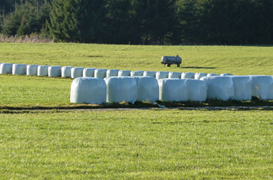 Silage covers are essential for Australian farmers to preserve the quality of stored feed. By protecting silage from environmental factors like moisture, air, and contaminants, these covers ensure optimal fermentation. Choosing the right silage cover reduces feed waste, improves nutritional value, and enhances farm efficiency, making them a vital investment.
What Are Silage Covers?
Silage covers are large, durable sheets, typically made from polyethylene or other heavy-duty materials, that cover silage piles or pits. Their primary purpose is to protect the silage from air, moisture, and contaminants, which can all lead to spoilage. By creating an airtight seal, silage covers help maintain the proper fermentation process, which is essential for producing high-quality silage.
The Importance of Silage Covers for Australian Farmers
Farmers in Australia face unique challenges when it comes to feed storage and preservation. With a climate that can range from sweltering summers to wet and humid conditions, ensuring the quality of silage is often a delicate balancing act. Silage covers help mitigate these challenges in several ways:
- Protection from Weather Conditions: Australia’s climate can be unpredictable, with periods of intense heat, heavy rainfall, and high humidity. Silage covers shield the stored feed from these weather elements, preventing rain from causing spoilage and protecting the silage from excessive drying due to heat.
- Reducing Oxygen Exposure: The anaerobic fermentation process required for silage storage can be compromised by exposure to oxygen. Silage covers create an airtight barrier that minimises the ingress of oxygen, thus ensuring the silage ferments properly and retains its nutritional content.
- Preventing Contamination: Silage piles are susceptible to contamination from dirt, debris, pests, and rodents. Silage covers protect the feed from these contaminants, reducing the risk of spoilage and ensuring that livestock are fed clean, high-quality silage.
- Minimising Feed Waste: Without proper coverage, silage can degrade over time, leading to significant feed waste. Silage covers reduce waste by maintaining the silage in optimal conditions, which helps farmers maximise the amount of feed they produce.
- Improved Storage Efficiency: Silage covers also help improve the overall efficiency of storage. They ensure that silage remains compact and stable, preventing it from expanding or shifting, which could lead to air pockets and uneven fermentation.
Types of Silage Covers
There are several types of silage covers available to Australian farmers, each designed for specific storage methods and conditions. The most common types include:
- Plastic Silage Covers: The most widely used type, these covers are typically made from high-density polyethylene (HDPE) or low-density polyethylene (LDPE). They are strong, durable, and resistant to UV rays, which is essential for long-term outdoor use.
- Oxygen Barrier Covers: These covers feature a multi-layered construction with an oxygen barrier layer that enhances the airtight seal. Oxygen barrier covers are particularly effective in reducing oxygen ingress and promoting the proper fermentation process, making them an excellent choice for farmers looking to improve silage quality.
- Silage Film and Sheets: For larger-scale operations, farmers may use silage film or large sheets of material to cover entire pits or bunkers. These films provide excellent coverage and are easy to handle, making them suitable for both small and large-scale operations.
- Weighted Silage Covers: These covers come with added weights or ballast to ensure they stay in place during windy conditions. They are particularly beneficial in regions of Australia where strong winds are common.
- Bale Wrap Covers: For silage stored in round bales, specialised bale wraps are used to encase the silage completely. These wraps are designed to be airtight and weather-resistant, ensuring that the bales remain undamaged and retain their nutritional value.
Conclusion:
Silage covers are a crucial investment for Australian farmers looking to preserve the quality of their feed and ensure the health of their livestock. Whether you’re managing large-scale operations or smaller farms, silage covers provide a practical solution to protect your hay from the elements, minimise waste, and improve feed quality.
-
Baling Twine: Essential Agricultural Tool for Modern Farming
Baling twine, a vital tool in the agricultural industry, plays a crucial role in the efficient management of farms across Australia. Whether you’re a large-scale farmer or managing a small hobby farm, understanding the benefits and uses of baling twine can significantly enhance your farming operations. For quality synthetic baling twine, click here.
What is Baling Twine?
 Baling twine is a robust and durable cord used to bind together bales of hay, straw, and other crops. Made from various materials, including sisal, polypropylene, and biodegradable options, baling twine is designed to withstand harsh weather conditions and heavy loads. Its primary function is to keep bales compact and secure during transportation and storage, ensuring the quality and usability of the fodder.
Types of Baling Twine
In Australia, farmers have access to different types of baling twine, each suited to specific needs:
- Sisal Baling Twine: Made from natural fibres, sisal twine is biodegradable and environmentally friendly. It is ideal for organic farming and can be safely consumed by livestock if accidentally ingested.
- Polypropylene Baling Twine: Known for its strength and resistance to UV rays, polypropylene twine is highly durable and can withstand the demanding conditions of Australian farms. It is a popular choice for both small and large-scale operations.
- Biodegradable Baling Twine: Combining the benefits of polypropylene and environmental sustainability, biodegradable twine is designed to break down over time, reducing the environmental impact.
Benefits of Using Baling Twine
The use of baling twine offers numerous advantages for Australian farmers:
- Efficiency: Baling twine allows for the quick and secure bundling of crops, saving time and labour during the harvesting process.
- Storage: Properly baled crops take up less space and are easier to handle and store, optimising the use of storage facilities.
- Transportation: Compact bales are more accessible to transport, reducing the risk of crop damage and spoilage during transit.
Selecting the appropriate baling twine depends on several factors:
- Crop Type: Different crops may require different types of twine. For instance, sisal twine is often preferred for hay, while polypropylene twine is suitable for straw and other dense materials.
- Baling Equipment: Ensure that the twine is compatible with your baling equipment. Some machines may perform better with specific types of twine.
- Environmental Considerations: If sustainability is a priority, opt for biodegradable or sisal twine. These options minimise environmental impact and contribute to eco-friendly farming practices.
- Strength and Durability: Consider the load-bearing capacity and durability of the twine. High-strength twine is essential for heavy bales and long-term storage.
Leading Suppliers of Baling Twine in Australia
Australia boasts a range of suppliers offering high-quality baling twine to meet the diverse needs of farmers:
- Tapex Group: A leading supplier of agricultural twine, Tapex Group offers a variety of baling twine options, including sisal, polypropylene, and biodegradable twine.
- Bunnings Warehouse: Known for its extensive range of farming supplies, Bunnings Warehouse provides reliable baling twine suitable for various agricultural applications.
- Elders Rural Services: With a focus on supporting Australian farmers, Elders Rural Services offers a selection of durable and efficient baling twine products.
- AgBoss: Specialising in agricultural tools and supplies, AgBoss delivers high-quality baling twine designed to meet the rigours of Australian farming.
Best Practices for Using Baling Twine
To maximise the benefits of baling twine, consider the following best practices:
- Proper Storage: Store baling twine in a cool, dry place to prevent degradation from moisture and UV exposure.
- Regular Maintenance: Inspect your baling equipment regularly to ensure it is functioning correctly and compatible with the twine.
- Training and Safety: Ensure that all farm workers are trained in the proper use of baling twine and baling equipment to prevent accidents and injuries.
- Environmental Impact: Dispose of used twine responsibly, especially if it is not biodegradable. Recycling programs and proper disposal methods can help reduce environmental impact.
Conclusion:
Baling twine is an indispensable tool for Australian farmers, providing a practical and efficient solution for managing crops. By understanding the different types of twine available and following best practices for its use, farmers can enhance their operations, reduce waste, and contribute to sustainable farming practices.
You May Also Like
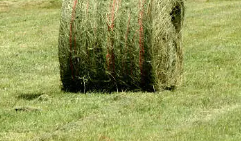
Knotless Baling Twine in Australia’ How Innovative Twine Technology Is Boosting Efficiency, Reducing Waste, and Improving Bale Quality for Modern Farms

Pallet Freezer Spacers’ Enhancing Cold Storage Efficiency for Australian Businesses

Stockinette Bags’ Affordable Solutions for Australian Farmers and Businesses
-
HYPLAST Net Wrap – A Versatile Solution For Round Bales
Often, demonstrations of netwrap strength involve pulling it apart sideways. However, this is not how netwrap is designed to be used.
Traditional net wrap manufacturer produce a wide plastic film wound into large-sized ‘mother rolls.’ This means that to increase the strength, it is necessary to use a heavier raw material.
Strength
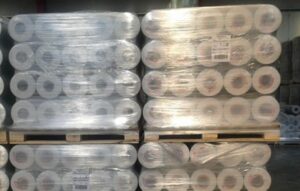 It’s easy to see why netwrap is a popular choice of wrapping solution for farmers and contractors. It’s a versatile solution that can wrap around bales (hay, silage, and straw) in various weather conditions. It is also known for delivering better bale coverage and a fast, trouble-free baling process. Its high quality is recognized worldwide, and it’s proven to have all the performance criteria a farmer or contractor demands.
Traditional netwrap manufacturing involves extruding a plastic film into large-sized ‘mother’ rolls that are then slit to form narrow tapes knitted together on knitting looms to produce the net. Traditionally increasing the strength of the netwrap by using heavier material results in a larger diameter roll for the same workable roll length. Manufacturers must use advanced production technology to achieve a higher tensile strength without increasing the registration size. Tama Group has developed a new type of HDPE called Tama Light-Technology, which uses an advanced formulation and a revolutionary manufacturing process to produce netwrap that has greater tensile strength than the standard kind.
Tama’s netwrap is made from this new and improved HDPE and has an enhanced tensile strength that surpasses the standard netwrap. It is also available in several different weights to suit the needs of all crops and baling situations.
In addition to the more robust and more durable net, other advantages of using netwrap include:
Less hay loss: The tighter and denser you can keep a bale, the less water it will shed. This means the hay stays fresher longer and is easier to feed to livestock.
A faster baling process: Compared to twine, netwrap can be wrapped much more quickly, resulting in quicker turnaround times and increased productivity on the farm.
It’s essential to ensure that the correct amount of netwrap is used on each bale and that the baler monitor is programmed for the correct number of wraps. If the wraps are inadequate, it may lead to crop damage, poor handling, or even breakage during storage and transportation. For professional net swrap manufacturer services, click here.
Durability
Having durable bale net wrap is essential to keep your equipment and livestock safe from the elements. It also helps to preserve the nutritional content of your baled crops. It protects the hay, straw, or silage from weather-related degradation and contamination. It also prevents internal harm to the animal that eats it. In addition, it is a great way to save money by reducing waste and labor.
Many farmers buy several types of net wraps from different manufacturers. However, it is essential to choose the right one for your equipment. You should always select a net suitable for your balers’ size. If you are not sure, consult an experienced net wrap specialist. A good supplier can advise you on the proper size for your balers and other equipment.
A durable net wrap can be used for many years. It is made from rigid polyethylene plastic and is strong enough to hold the contents of a round bale. It is resistant to UV radiation and other environmental factors that can degrade the material. In addition, it is easy to install and remove from the bale. It can also be recycled and reused.
Most farmers use a plastic netwrap to wrap their hay, straw, or silage bales to protect them from environmental factors and other damage. Ensuring that the netwrap is thick and has sufficient strength to hold a round bale is crucial. The material should also be breathable to prevent moisture buildup. It should also have an inert plastic coating so that it does not damage the bale or its contents.
To maximize the life of your netwrap, you should avoid using it in direct sunlight. Storing your netwrap in a dry area is also a good idea. It should not be stored near chemicals or other corrosive materials like sulfur. It should also not be stored in a place easily exposed to rain or wind.
In the past, I have been unable to find a company willing to manufacture a prototype of my Jack Wrap-it. But as my connections have developed, I have gotten more interested companies on board. These companies seek progressive solutions to help ranchers thrive in their business practices.
Easy to cut
Net wrap is made from a flexible and robust material. It is also easy to cut and can be used as a house wrap or to cover large round bales. It is also an excellent choice for protecting bales during storage or transport. The material is also durable and withstands many environmental conditions. This makes it a perfect choice for hay and straw producers. In addition, net wraps help to maintain bale integrity and improve handling efficiency. For professional net swrap manufacturer services, click here.